Do you need a UV filter? When to use one
by Konstantin Voronov, translated by Piotr · Accessories, Photography Tips
In short: Usually not: on a digital camera a UV filter only protects the front element, because the sensor already blocks ultraviolet. Fit one for sea spray, waterfalls, dust or reportage, take it off in backlight, at night and before adding other filters, and rely on the lens hood day to day.
Probably every photographer has come across protective filters. They are frequently recommended when you buy a camera or a lens. But when are they actually needed? How do you use them properly?
What is a protective filter, and how is it different from a UV filter?
As the name suggests, these filters are meant to protect the front element of the lens from damage. Today, the term "protective filter" covers two classes of filters: protective and ultraviolet. Plain protective filters may be labeled Protect, Clear, Neutral and other variations, whereas ultraviolet filters carry the clear designation UV.
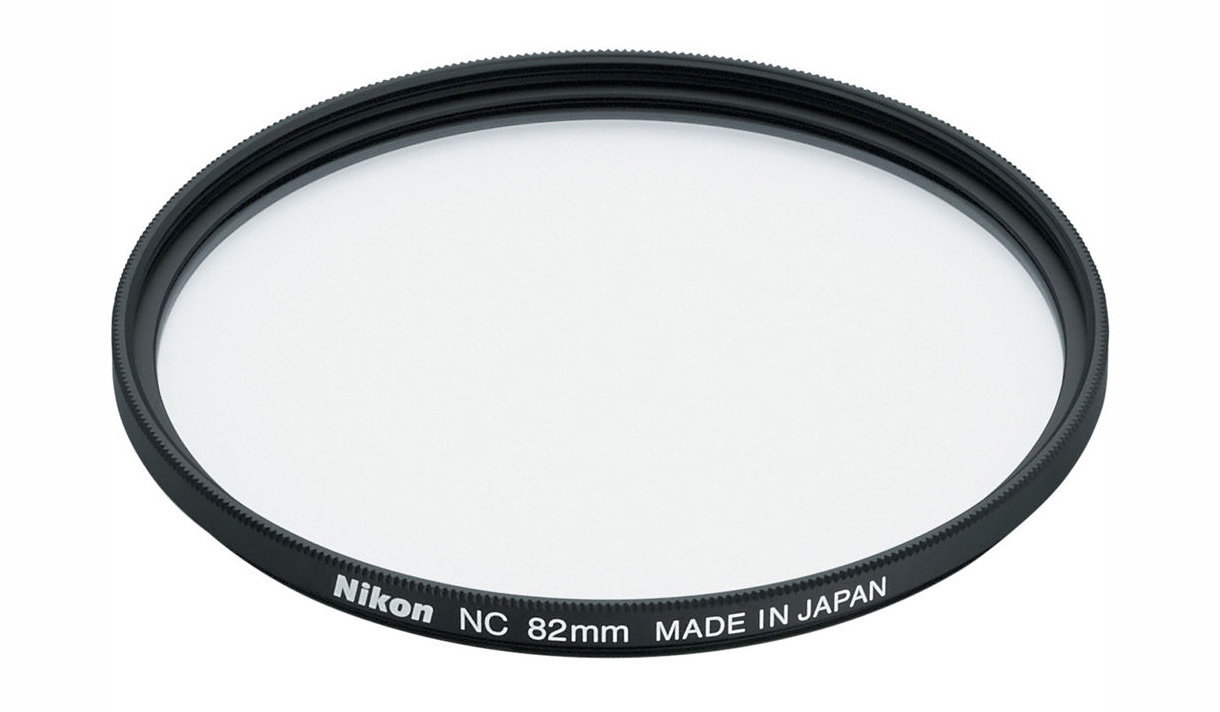
In the days of film, protective and UV filters were different tools. But the situation has changed. What is the difference between a protective filter and an ultraviolet filter? A protective filter has no effect on the light passing through it, which means it does not hold back rays in the ultraviolet spectrum either, whereas a UV filter blocks rays of those wavelengths. When shooting on film, blocking UV rays was extremely important: the film was sensitive to ultraviolet, which is why frames taken on a sunny day frequently lost contrast and shifted toward blue tones.

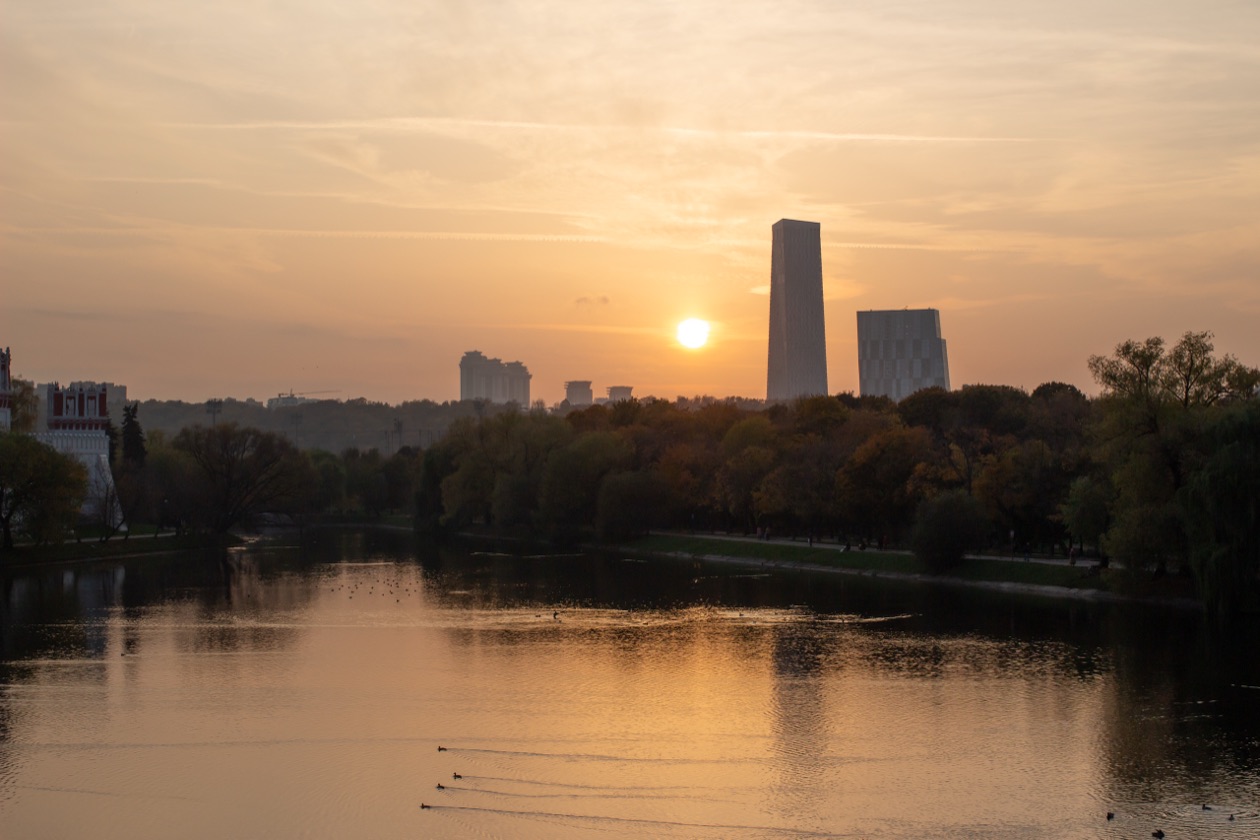
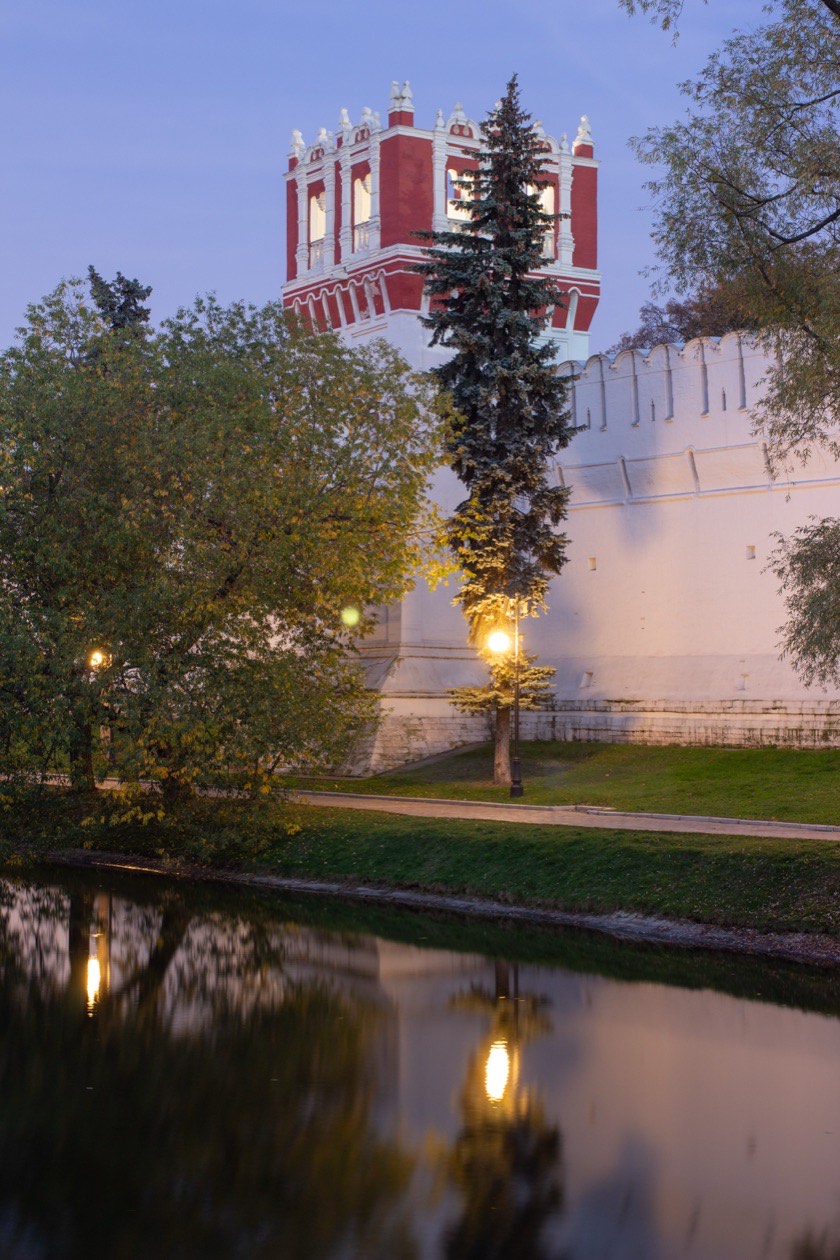
The sensor of a digital camera already has an ultraviolet filter, so an additional UV filter has no visible effect; its function also comes down to protecting the front element from damage.

Contrast, color saturation and the sense of volume in an image depend not on magic filters but on the lighting. Finding the right light is what a photographer's work is all about.
When choosing a protective filter, look for filters marked UV whose specifications state which wavelengths they block.
If you want not only to protect the lens but also to get effects (say, to increase contrast or remove haze when shooting a landscape), get polarizing filters, which improve photos in a wide range of scenes.
Negative effects of using a protective filter
Any glass mounted on a lens becomes part of its optical design. Even the best protective filter will degrade image quality through additional flare, internal reflections and loss of detail.

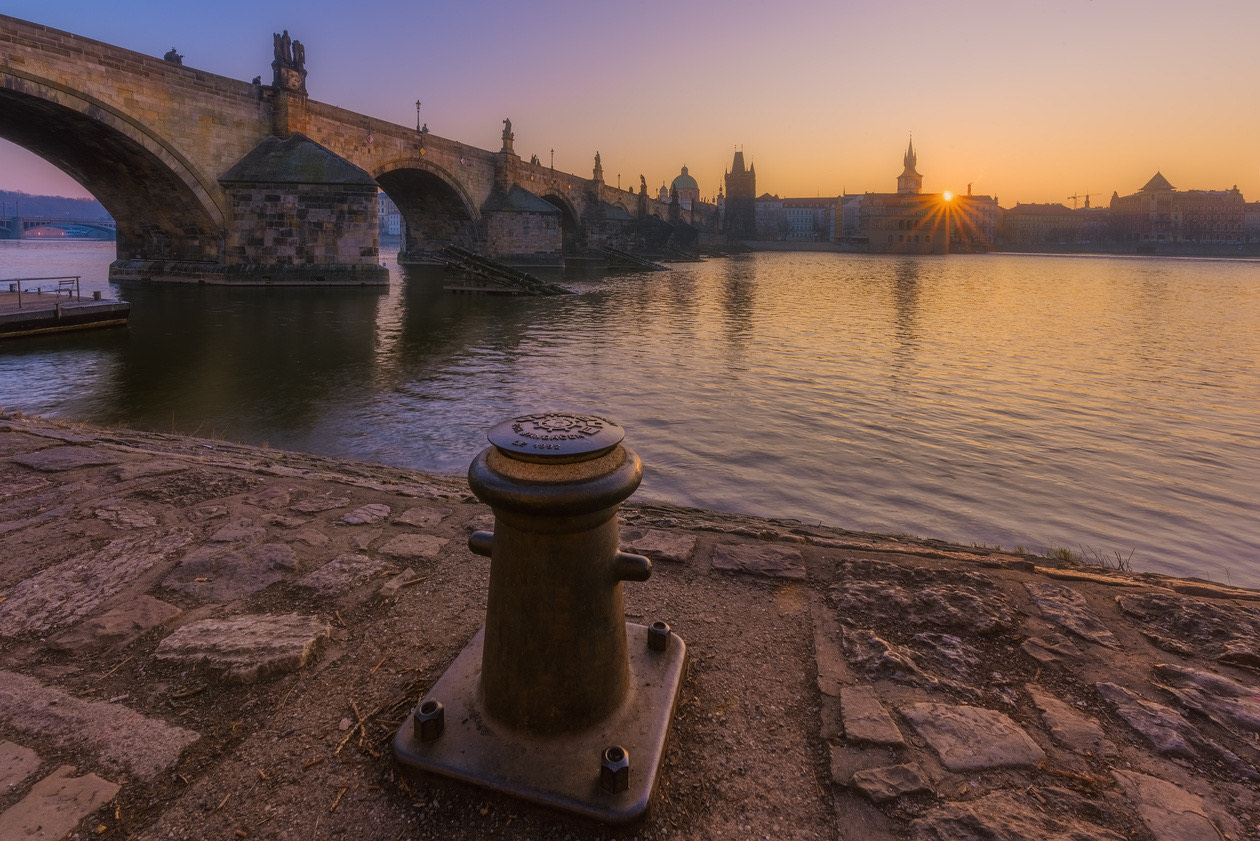
Photographers frequently shoot in harsh side light or backlight (for example, sunrise and sunset scenes). At such moments, any filter noticeably picks up flare. To get the full potential out of your gear and let the powerful anti-reflective coating of modern lenses do its job, shoot without protective or UV filters.

Is keeping a protective filter on the lens all the time a mistake?
Sometimes photographers buy a protective filter, put it on the lens right away and never take it off. This is a mistake. First, image quality drops: sharpness falls and a lot of flare appears. Second, a filter left on for a long time sometimes simply seizes onto the lens barrel, and the only fix is a trip to a service center.
The front element of a modern lens is not all that delicate in itself. Manufacturers frequently apply protective coatings to it. Modern Nikon lenses use ARNEO coating and Nano Crystal Coat: they help prevent flare and chromatic aberrations. In addition, the lenses get a durable protective fluorine coating.

Thanks to it, splashes roll off the lenses easily and fingerprints wipe away easily. And to leave a scratch on the glass, you would have to either do it on purpose or treat your gear extremely carelessly. If you handle the lens carefully and do not carry it without a cap in a handbag mixed in with your keys, it is unlikely to need any extra protection.

On certain protective filters (especially slim-frame ones), the lens cap does not hold well. It can come off the lens right inside the camera bag and damage the protective filter with its hard edges. The filter, unable to withstand the pressure of the cap, may crack and scratch the front element of the lens. This is a real case from my experience, and not an isolated one.
These arguments lead to a simple conclusion: you should not keep a protective filter on the lens all the time.
Rule of thumb: A protective filter is a consumable for risky shoots, not a permanent fixture. Left on the lens, it lowers sharpness, adds flare and can seize onto the lens barrel.
But even if you do want to keep a protective filter on the lens permanently, you have to remove it when using other filters: polarizing and neutral density filters. First, a "sandwich" of filters will reduce photo quality even further. Second, on wide-angle lenses the filter frames will start to intrude into the frame, creating darkening, that is, vignetting, at the edges of the image. You also need to remove the protective filter when shooting in harsh side light or backlight, or in a city in the evening, to avoid flare.
When do you need a protective filter?
A protective filter is not kept on the lens all the time. You put it on when there is a real danger of damaging the front element. For example, you are shooting a storm at sea or a raging waterfall. In that case, it makes sense to use a protective filter so that water (especially salt water!) does not get on the lens elements. "Dusty" and "dirty" shoots (for example, covering an off-road competition) and photographing sociable animals that keep trying to lick your lens are also reasons to mount a protective filter.
Reporters frequently use a protective filter instead of a front lens cap: you can put filter-protected lenses in the camera bag without caps and then quickly put them to work. It is no big deal if a protective filter gets dirty or scratched, because it is a consumable: when it wears out, you simply replace it with a new one.

The cases above, side by side:
| Situation | Protective or UV filter | Why |
|---|---|---|
| Storm at sea, raging waterfall, fountains | Fit it | Keeps water, salt water above all, off the lens elements |
| Dusty and dirty shoots: off-road competitions, races, extreme trips | Fit it | The filter takes the dust and dirt instead of the front element |
| Sociable animals that try to lick the lens | Fit it | Protects the front element |
| Reportage, lenses carried in the bag without caps | Fit it | Works as a quick-access front cap and is replaced when it wears out |
| Harsh side light or backlight, sunrise and sunset | Take it off | Any filter picks up noticeable flare |
| Bright light source in the frame: the sun, streetlights, a chandelier | Take it off | High risk of unwanted flare |
| Adding a polarizing or ND filter | Take it off | A filter sandwich lowers quality further, and on wide angles the frames cause vignetting |
| Everyday shooting with careful handling | Leave it off, fit the hood | The hood guards against flare and side knocks at no extra cost |
How to choose a protective filter
- It is important to decide whether such a purchase makes economic sense. There is no point in buying an expensive filter to protect a budget lens (for example, a kit lens). At the same time, a cheap filter will seriously degrade image quality, so there is no point in it either.
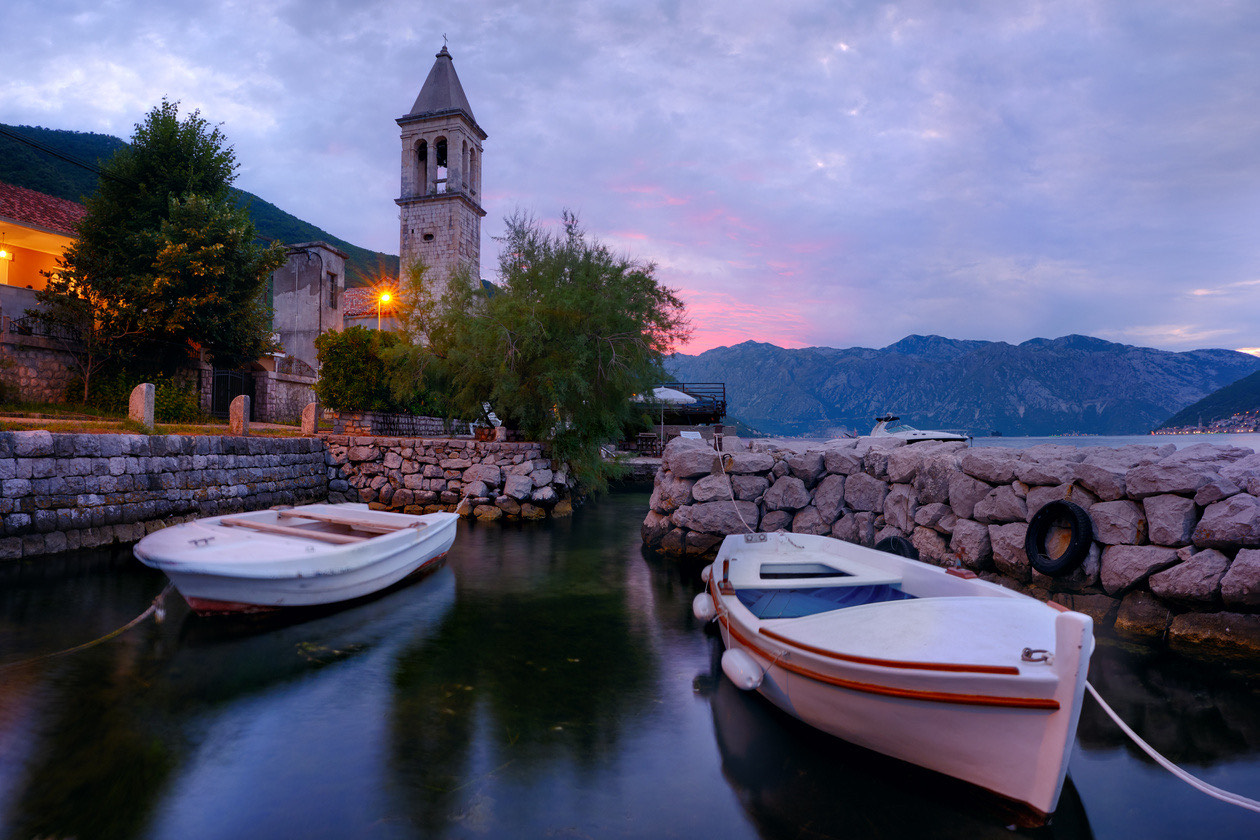
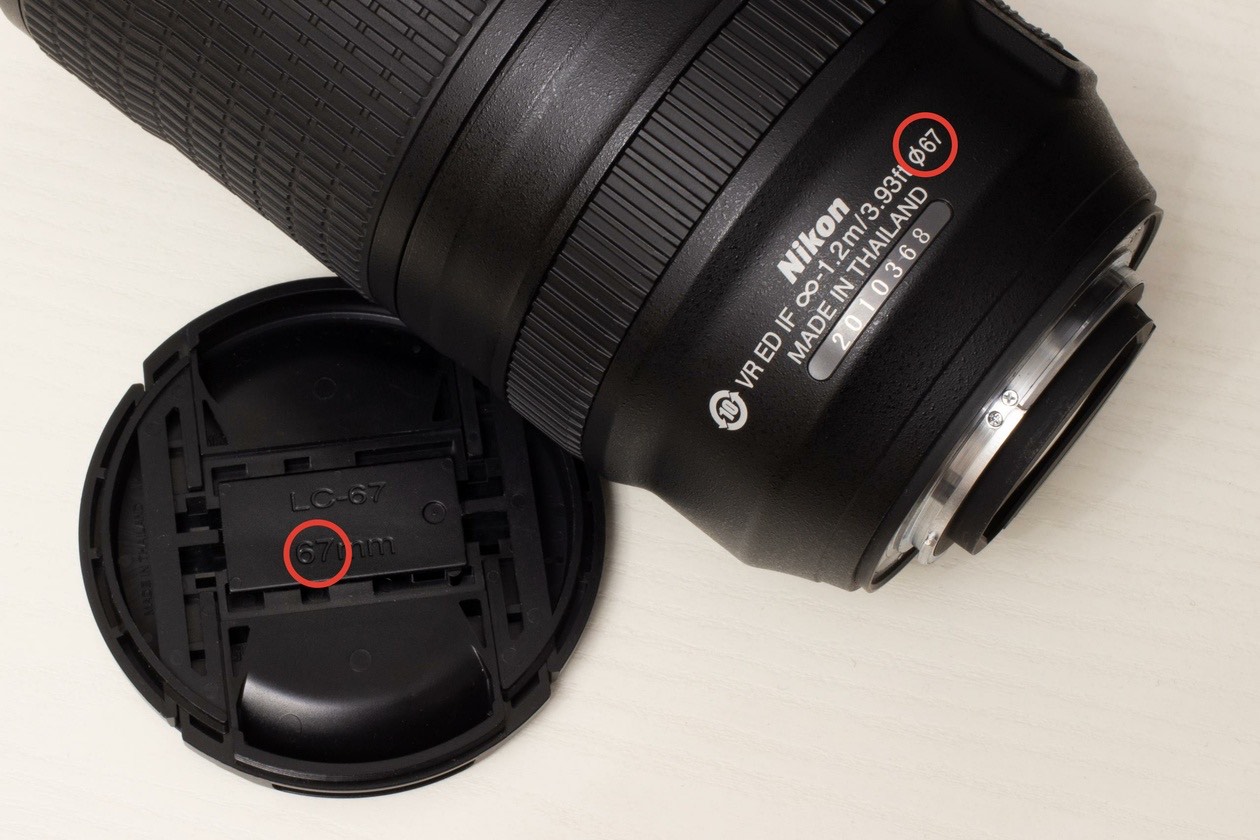
- If you do need a protective filter, figure out the right filter thread diameter. It is listed in the lens specifications and on the back of the lens cap.
- It is important that the filter has an anti-reflective coating. A plain piece of glass without such a coating will pick up a lot of flare and reduce image contrast. As a rule, coated filters carry the marking MC (MultiCoated) in their name. Different manufacturers may use their own designations: for example, DHG, MRC or HMC. The cheapest protective filters are made of plastic rather than glass, and those you should avoid all the more.
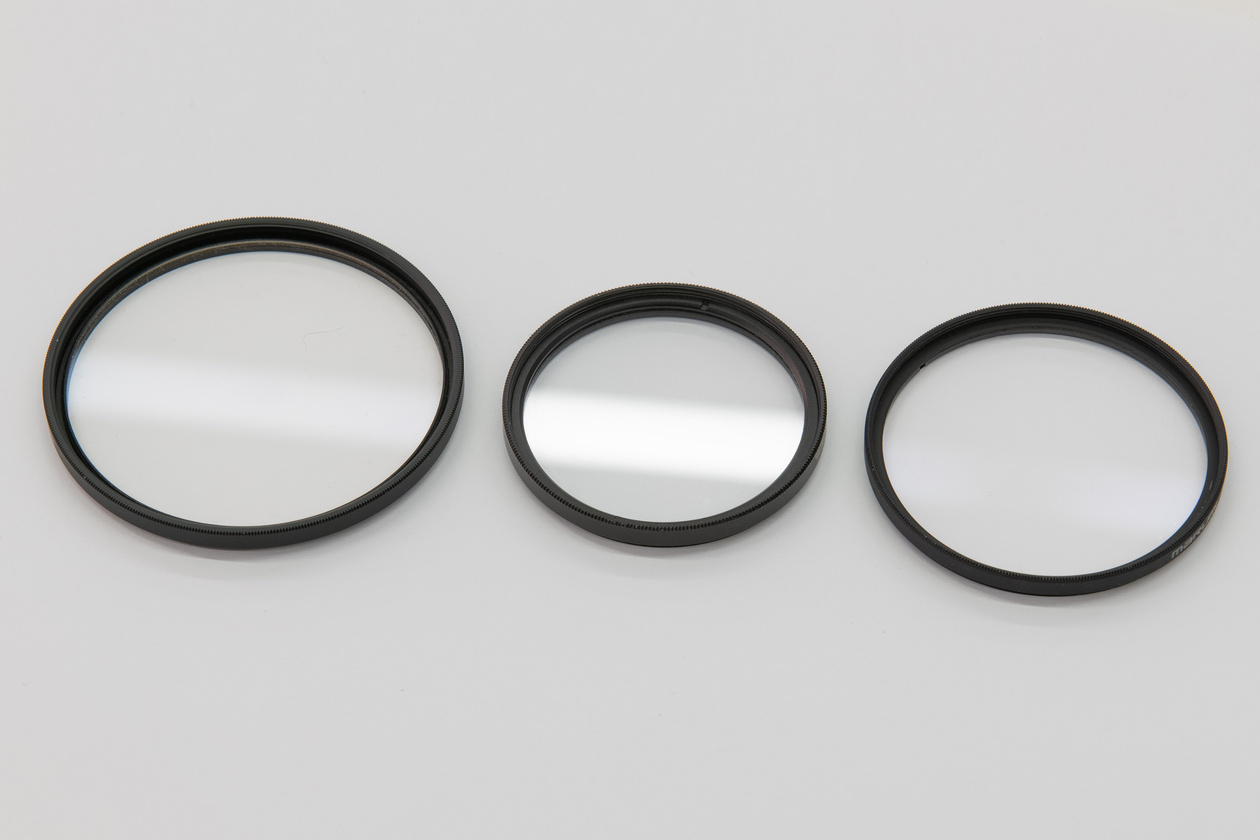
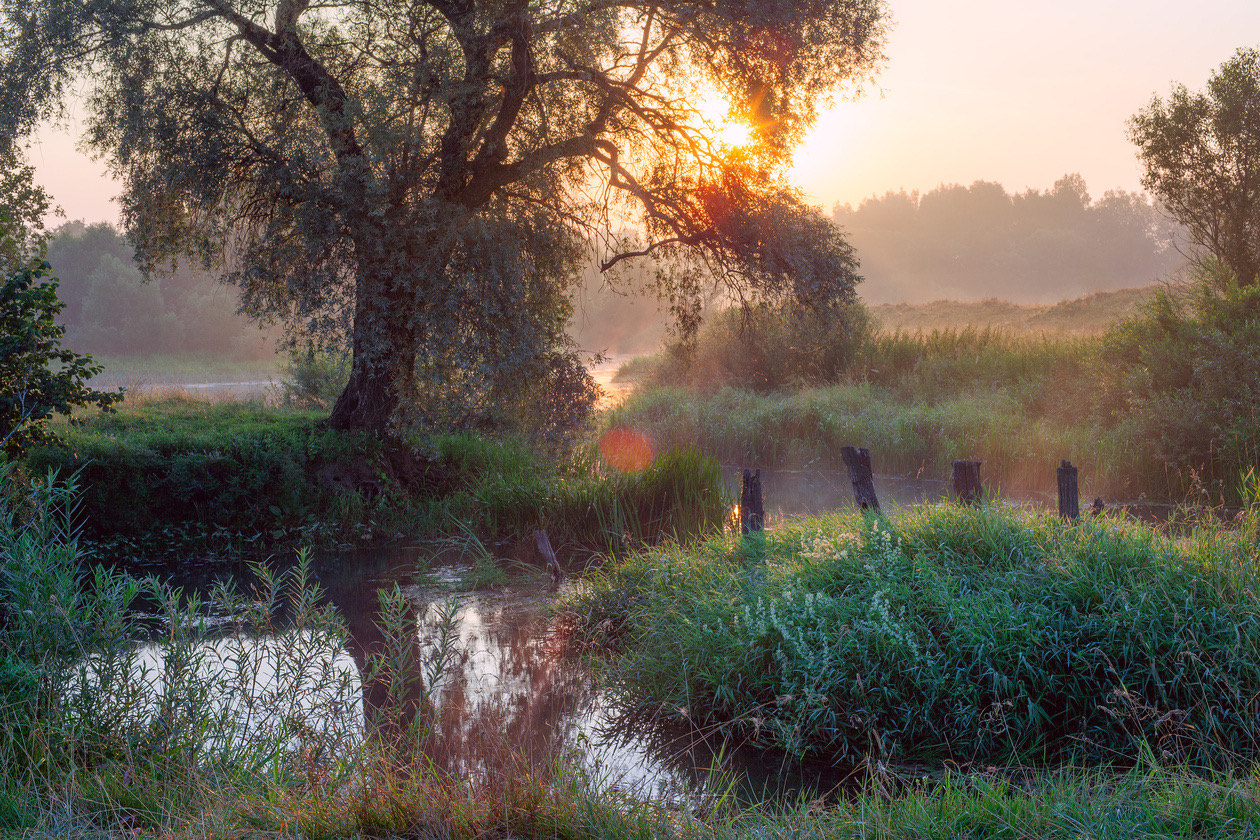
- If you plan to use a filter on ultra-wide-angle optics (shorter than 24 mm for full frame, shorter than 16 mm for APS-C cameras), choose a filter with a slim frame. That way you protect yourself against darkening in the corners of the frame. The downside of a slim frame is that the lens cap holds poorly on it.
Let us mention filter manufacturers that have earned a good reputation among photographers. Certain camera equipment makers release filters under their own brands. Nikon and Carl Zeiss, for example, do this. There are also companies that specialize specifically in filters: Hoya, Marumi, B+W, Rodenstock.
The lens hood: an accessory for protecting the lens
This raises the question: does a filter really protect the lens that well? The front element, perhaps. But in most cases, when a lens is dropped, the impact falls not on the glass but on the lens barrel. The most vulnerable part of the lens in that case is the extending inner barrel.
Worth knowing: A filter protects only the front element. In most drops the impact lands on the lens barrel, and a filter does nothing for the extending inner barrel or the rear element.
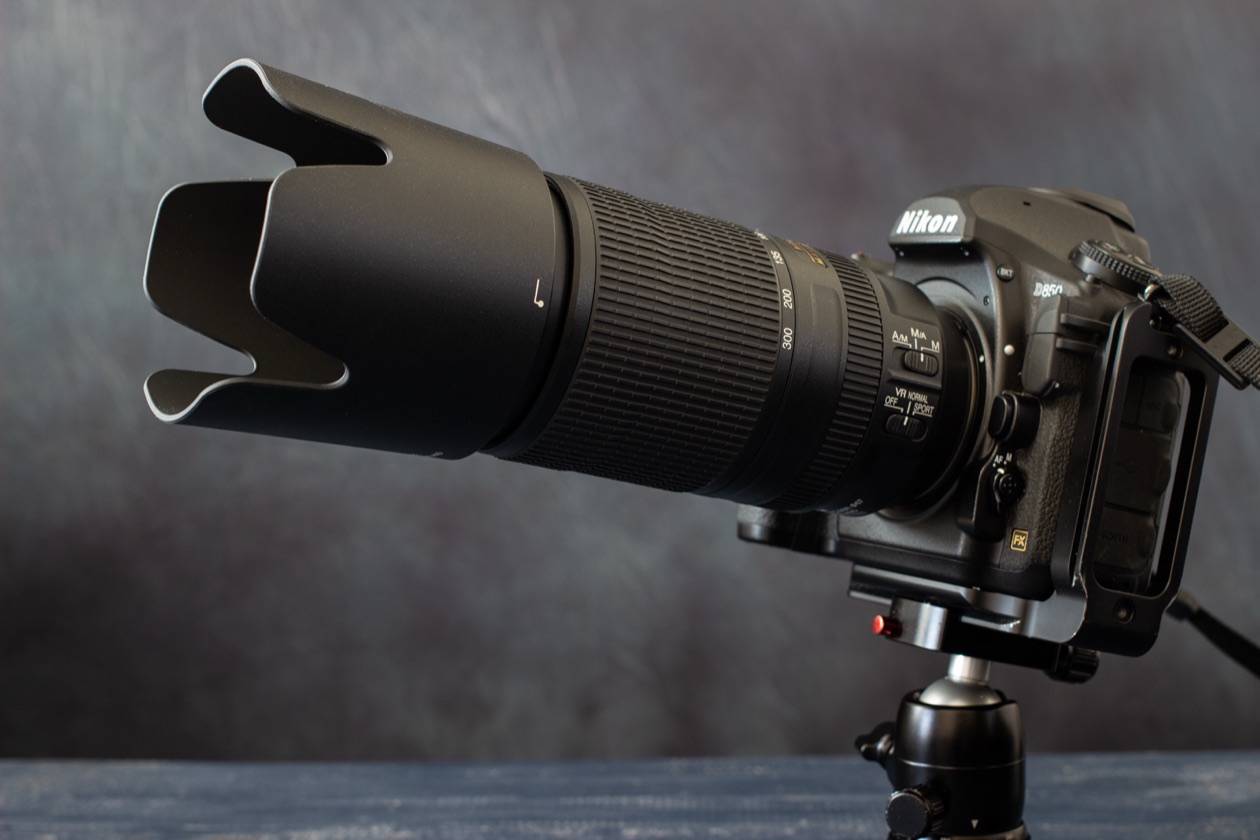
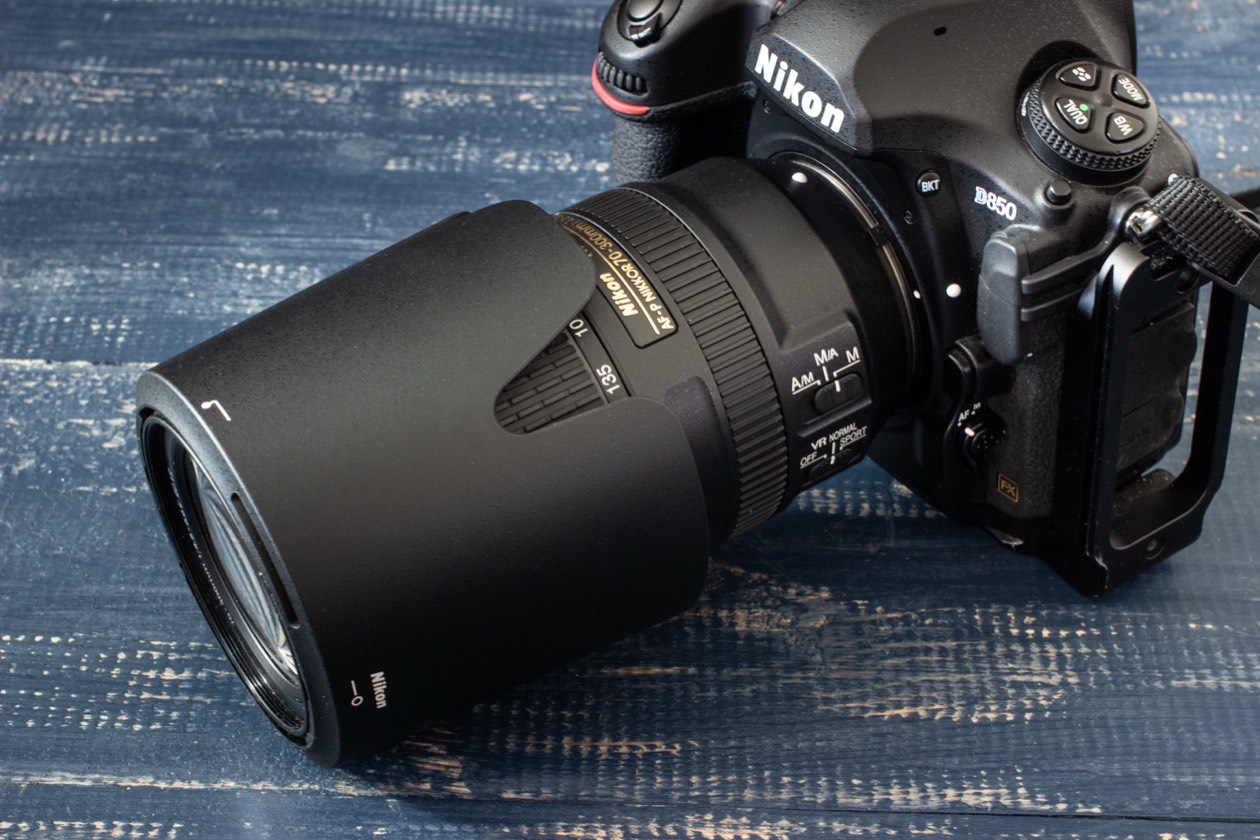
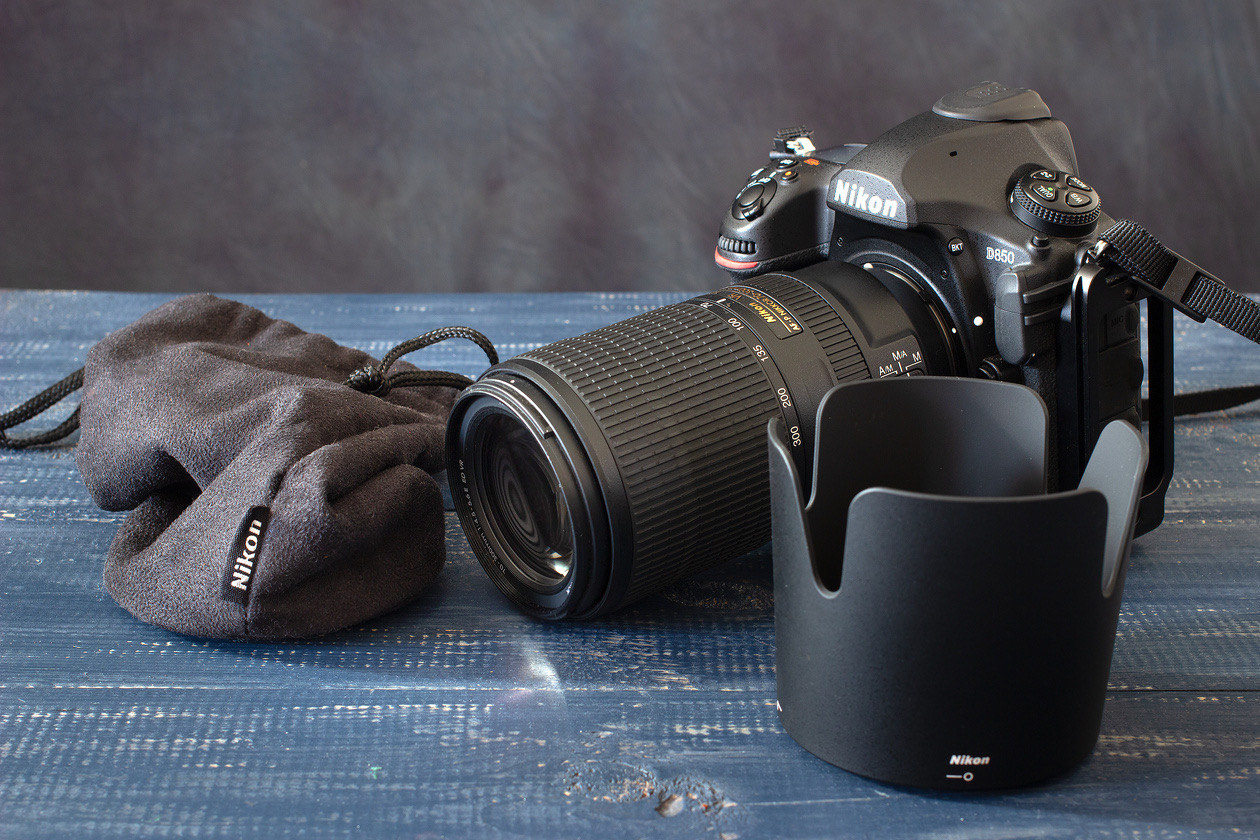
So how do you protect the lens without degrading (and in certain situations even while improving) image quality? With all Nikon lenses except the most affordable kit models, the manufacturer includes a lens hood in the box. A lens hood is a shade that mounts on the lens and protects its front. The main purpose of a lens hood is protection against flare. The nastiest flare spots get into the lens when light falls on the lens elements from the side. The hood shields them from side light.
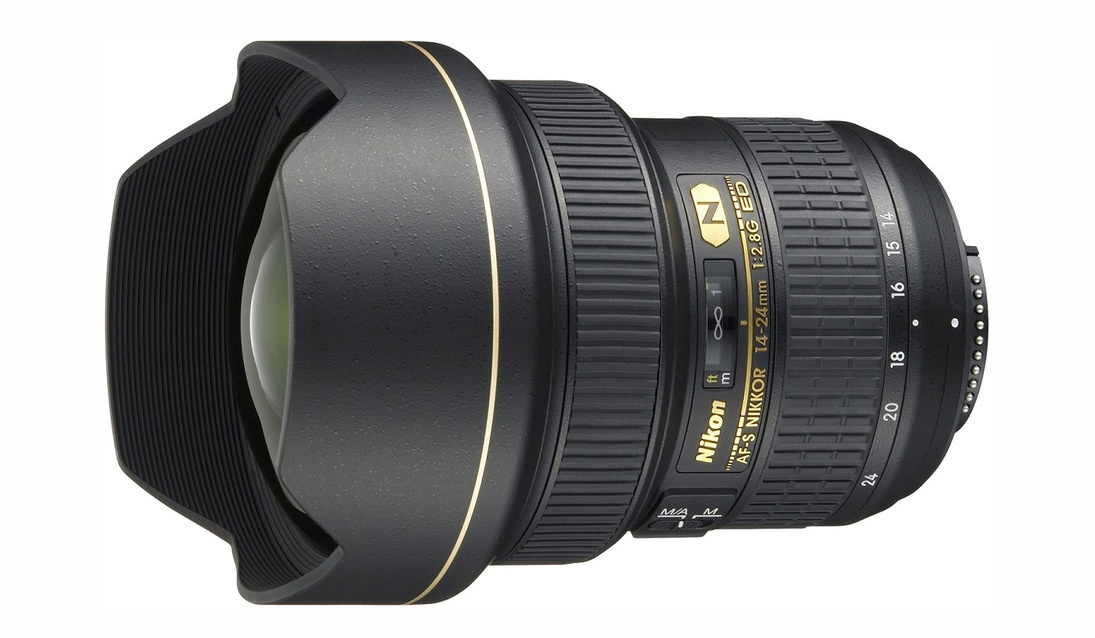
A lens hood also offers excellent protection. It blocks access to the front element from the sides. This way, for example, it is hard to accidentally leave fingerprints on the lens or snag the front element on, say, a tree branch. Thanks to its flexible design, the hood also cushions impacts.
So you can protect your lens in everyday use at no extra cost by using the hood that came with it. For a kit lens, too, a lens hood is a more sensible purchase than a filter.

Summing up
- Protective and UV filters do not improve image quality and are frequently the cause of reduced sharpness and contrast and of unwanted flare.
- UV and protective filters have no artistic effect on a digital image. If you need effects, look at polarizing filters, for example. Protective and UV filters should not be kept on the lens permanently, only when necessary: when shooting waterfalls and fountains, working in dust at races or on extreme trips, and in reportage situations.
- It is better to remove these filters from the lens when there is a bright light source in the frame: the sun, city streetlights, a chandelier. Otherwise, the risk of unwanted flare is high.
- Before mounting other types of filters, remove the protective one, because the more filters there are, the lower the image quality.
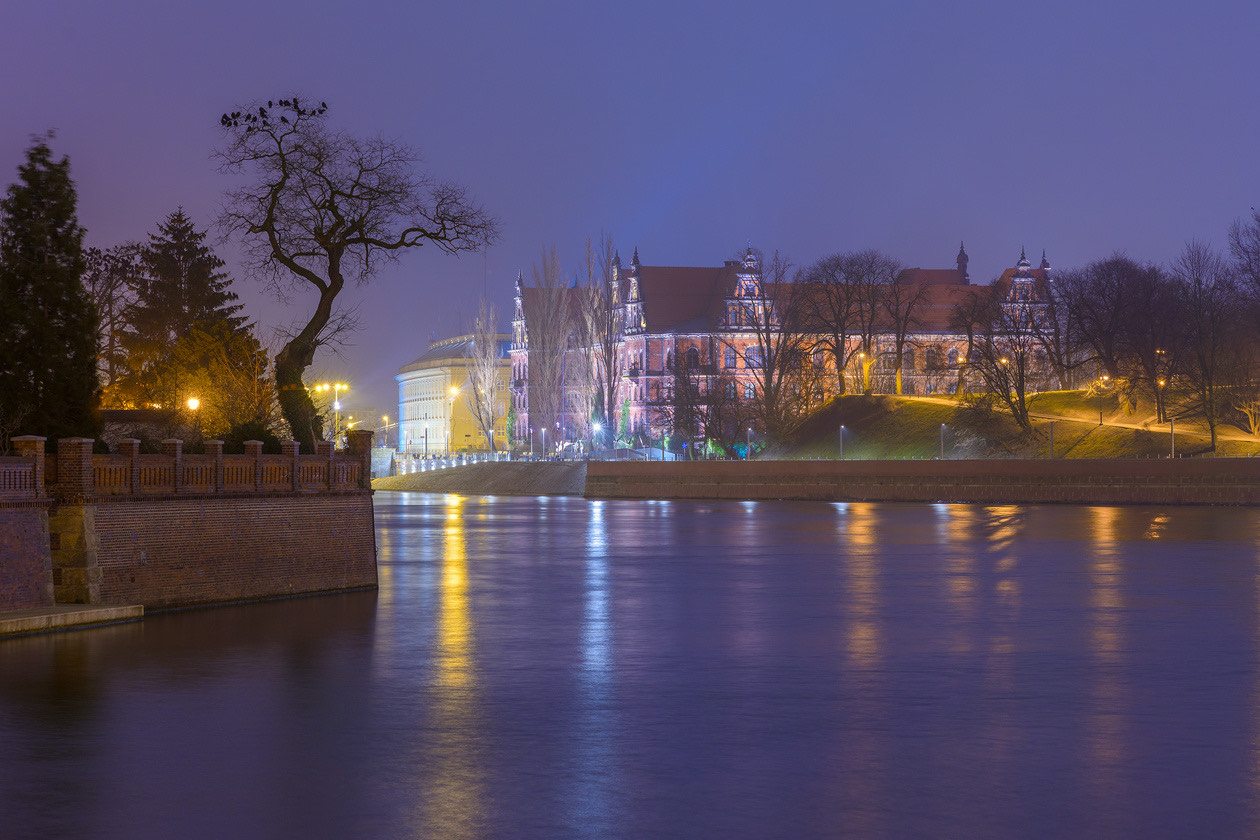
- When choosing a protective filter, look for products marked UV. The filter must have an anti-reflective multilayer coating. When buying, it is important to check its quality: no reflections should appear in it.
- The most vulnerable parts of a lens are the rear element and the inner barrel that extends when zooming or focusing. A filter does nothing to protect them.
- It makes no sense to use an expensive protective filter with budget kit optics. There is no point in a cheap filter either: it spoils image quality.
- Almost all Nikon lenses come with a lens hood. It not only protects against flare but also provides mechanical protection for the front of the lens.
And finally: a lens with a perfectly preserved front element but a broken barrel cannot be used. Nor can it be sold on the secondhand market for a good price. So it is better not to rely on protective filters, which give a false sense of security about your optics, and instead to develop the habit of handling your gear carefully. Then you will not have to spend money on protective filters, and the glass and bodies of your lenses will last much longer. For the same reason, you should choose a good camera bag or camera backpack to carry your gear safely.
Experience tells me that gear frequently gets damaged on the way to a shoot rather than during it. For extra protection, you can put the lens in the pouch it came with or simply wrap it in a large microfiber cloth.
Frequently asked questions
- Do you need a UV filter on a digital camera?
- Not for image quality. The sensor of a digital camera already has an ultraviolet filter, so an extra UV filter has no visible effect on the picture and works only as protection for the front element. Fit one for risky shoots such as sea spray, waterfalls or dust, and take it off the rest of the time.
- What is the difference between a UV filter and a protective filter?
- A UV filter blocks ultraviolet wavelengths, while a plain protective filter labeled Protect, Clear or Neutral passes light unchanged and serves only to protect the front of the lens. The difference mattered on film, which was sensitive to ultraviolet and lost contrast with a blue cast on sunny days. On a digital camera both work as protection.
- Should you keep a UV filter on your lens all the time?
- No. A filter left on permanently lowers sharpness and adds flare, it can seize onto the lens barrel so that only a service center can remove it, and on slim-frame filters a loose lens cap can crack the filter and scratch the front element. Fit it only when there is a real danger to the glass.
- Does a UV filter protect the lens if you drop it?
- Only partly. A filter covers the front element, but in most drops the impact lands on the lens barrel, and the extending inner barrel is the most vulnerable part. A filter does nothing for the barrel or the rear element, while a lens hood shields the front from the sides and cushions impacts.
- What should you look for when buying a UV filter?
- Look for a glass filter with an anti-reflective multi-coating, usually marked MC or a maker label such as DHG, MRC or HMC, and avoid plastic filters. Hoya advises checking that both sides of the glass are coated. Match the thread diameter printed on the back of the lens cap, and pick a slim frame for ultra-wide lenses.
- What do the L37 and L39 markings on a UV filter mean?
- They give the cut-off wavelength. An L37 filter removes ultraviolet light with wavelengths shorter than 370 nanometers, and an L39 filter removes light shorter than 390 nanometers. This is why a good UV filter states in its specifications which wavelengths it blocks, and that statement is worth checking before you buy.
Sources
- Do you need protective filters? 10 tips on choosing and using a filter, Konstantin Voronov, Prophotos.ru (2020)
- UV filter, Wikipedia (2026)
- Photographic filter, Wikipedia (2026)
- Choosing a UV / Protector Filter, Hoya Filters (2026)