What is a fisheye lens? 5 reasons to use one
by Konstantin Voronov · Photography Tips
As an Amazon Associate I earn from qualifying purchases. Links to Amazon on this page are affiliate links.
In short: A fisheye is an ultra-wide lens with deliberately uncorrected distortion. It covers 180 degrees: as a round image (circular fisheye, typically 8 to 10 mm on full frame) or across the frame diagonal (diagonal fisheye, typically 12 to 18 mm). Lines bend unless they pass through the center, depth of field is huge, and on APS-C you need a shorter fisheye than on full frame.
Among ultra-wide lenses, fisheyes form a class of their own. The name says it: a fish looking up from under water sees the world squeezed into a curved circle. An ordinary wide-angle lens is designed to show objects without geometric distortion. A fisheye does the opposite: its distortion is not corrected at all.

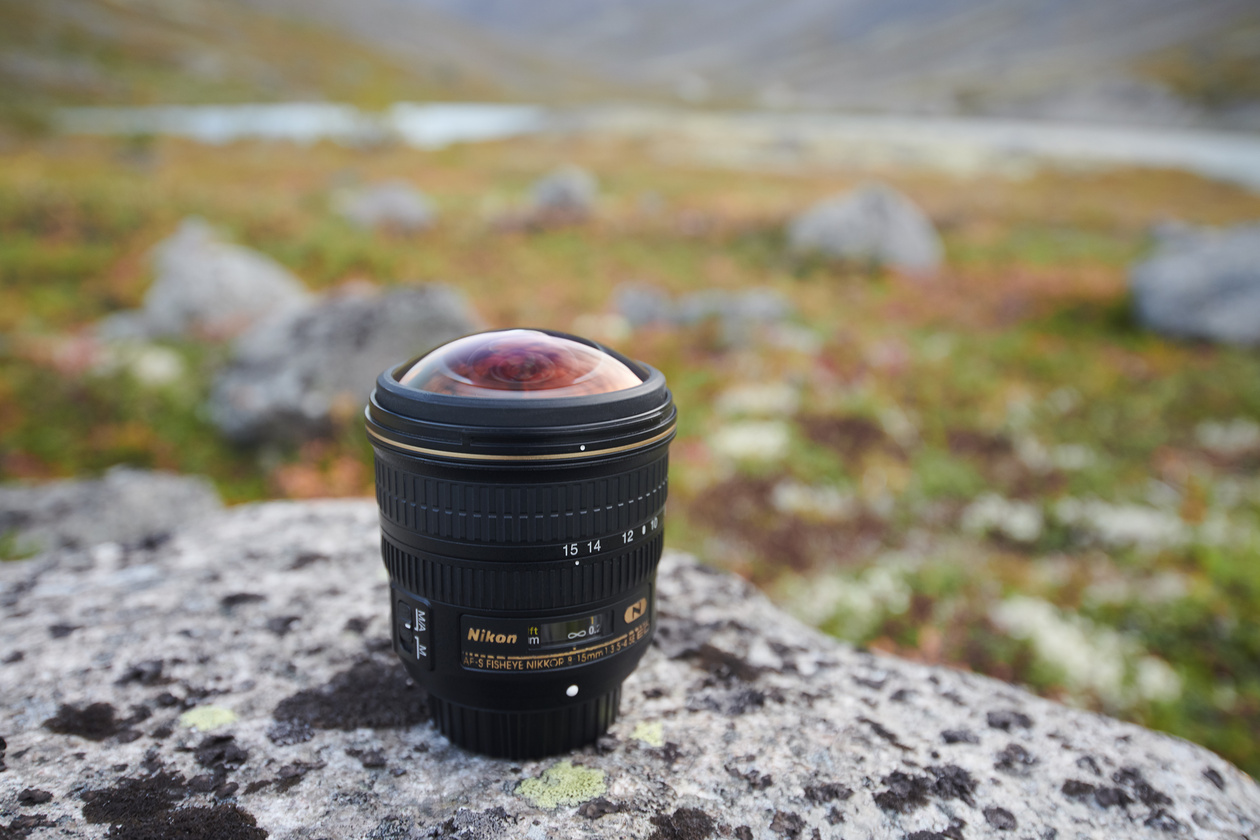
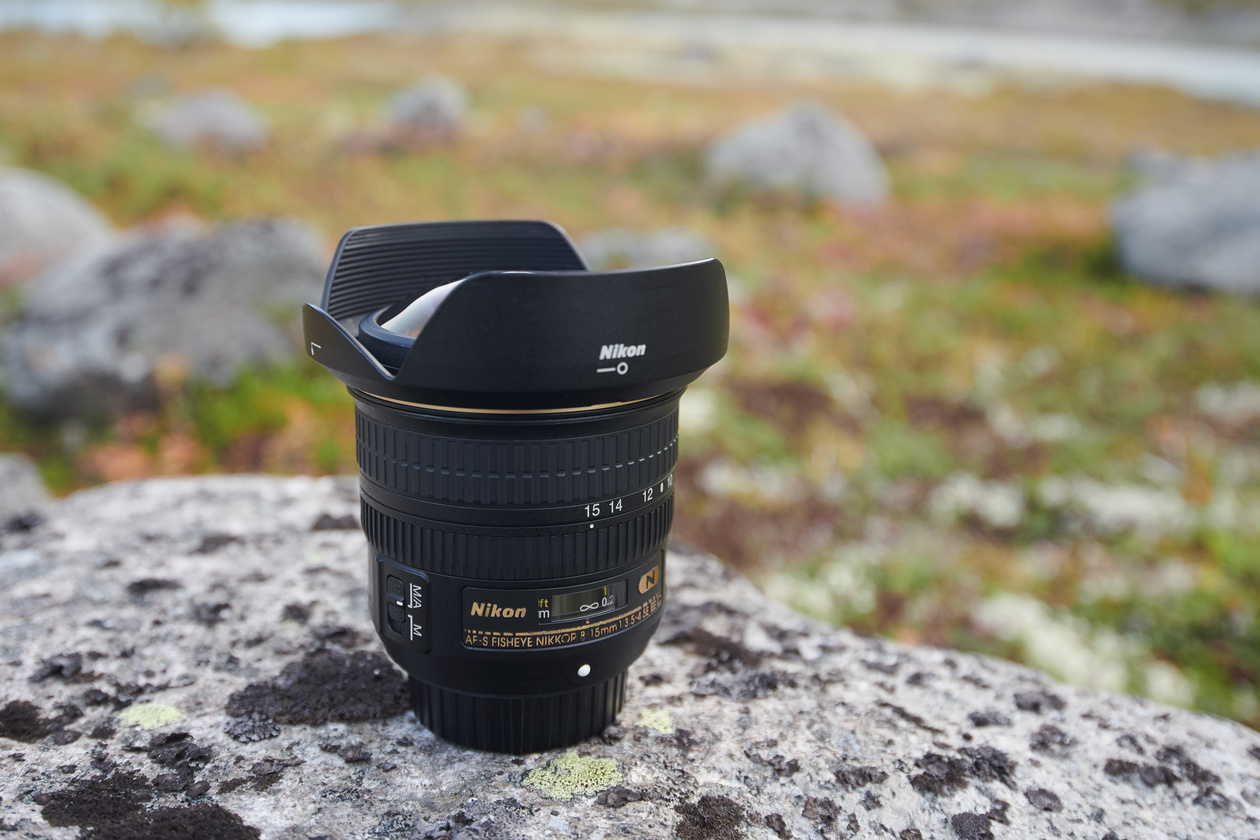
The photos in this guide were taken with a zoom fisheye, the Nikon AF-S FISHEYE NIKKOR 8-15mm f/3.5-4.5E ED.
What is a fisheye lens?
A fisheye lens is an ultra-wide lens that gives up straight lines to gain angle of view. Because it does not have to keep lines straight, it reaches a wider angle than a regular lens of the same focal length.
Editor's note: same focal length, different angle. A regular (rectilinear) lens keeps straight lines straight, and its diagonal angle of view is 2 × arctan(sensor diagonal ÷ (2 × focal length)). It approaches 180 degrees only as the focal length approaches zero. A fisheye maps the scene differently and gets to 180 degrees at an ordinary short focal length:
| Lens on full frame | Rectilinear angle of view | Fisheye angle of view |
|---|---|---|
| 8 mm | 139.4° | 180° in every direction (circular) |
| 15 mm | 110.5° | 180° across the diagonal |
The Wikipedia article on fisheye lenses gives the usual range of fisheye angles as 100 to 180 degrees, and typical 35 mm format focal lengths of 8 to 10 mm for circular images and 12 to 18 mm for diagonal images.
Circular vs diagonal fisheye
There are two types. A circular fisheye draws a round picture inside the frame with a 180 degree angle of view in every direction, and the corners stay black. A diagonal fisheye fills the whole rectangle with the image and gives 180 degrees across its diagonal.
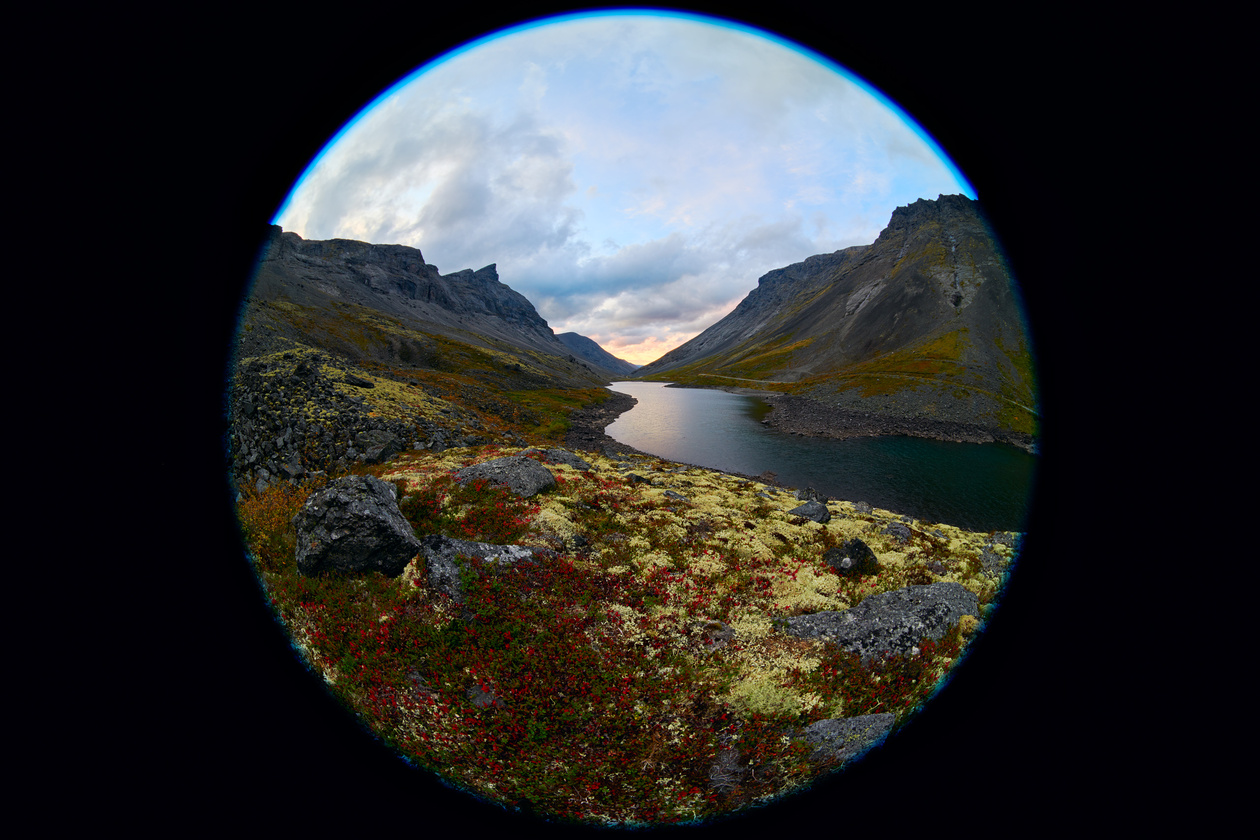
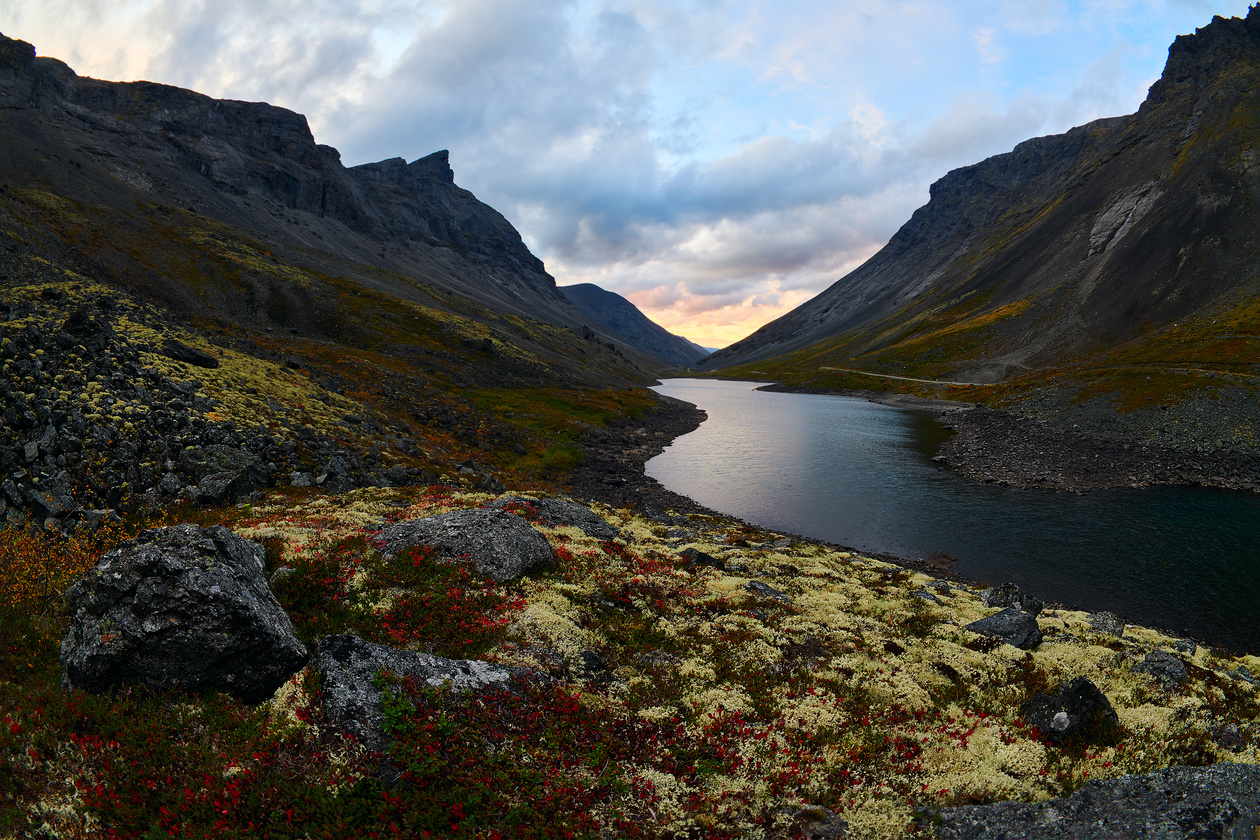
Such a wide angle lets you fit a great deal into one frame, build compositions with a near, middle and far plane, make panoramic views and work very close to the subject, which matters in dark rooms where you cannot step back.
Fisheye focal lengths for full frame and APS-C
APS-C (Nikon DX) cameras need fisheyes with shorter focal lengths. On a smaller sensor the image is cropped, and the whole point of the fisheye goes with it: on a crop body, a full-frame diagonal fisheye turns into a plain wide-angle lens with moderate distortion.
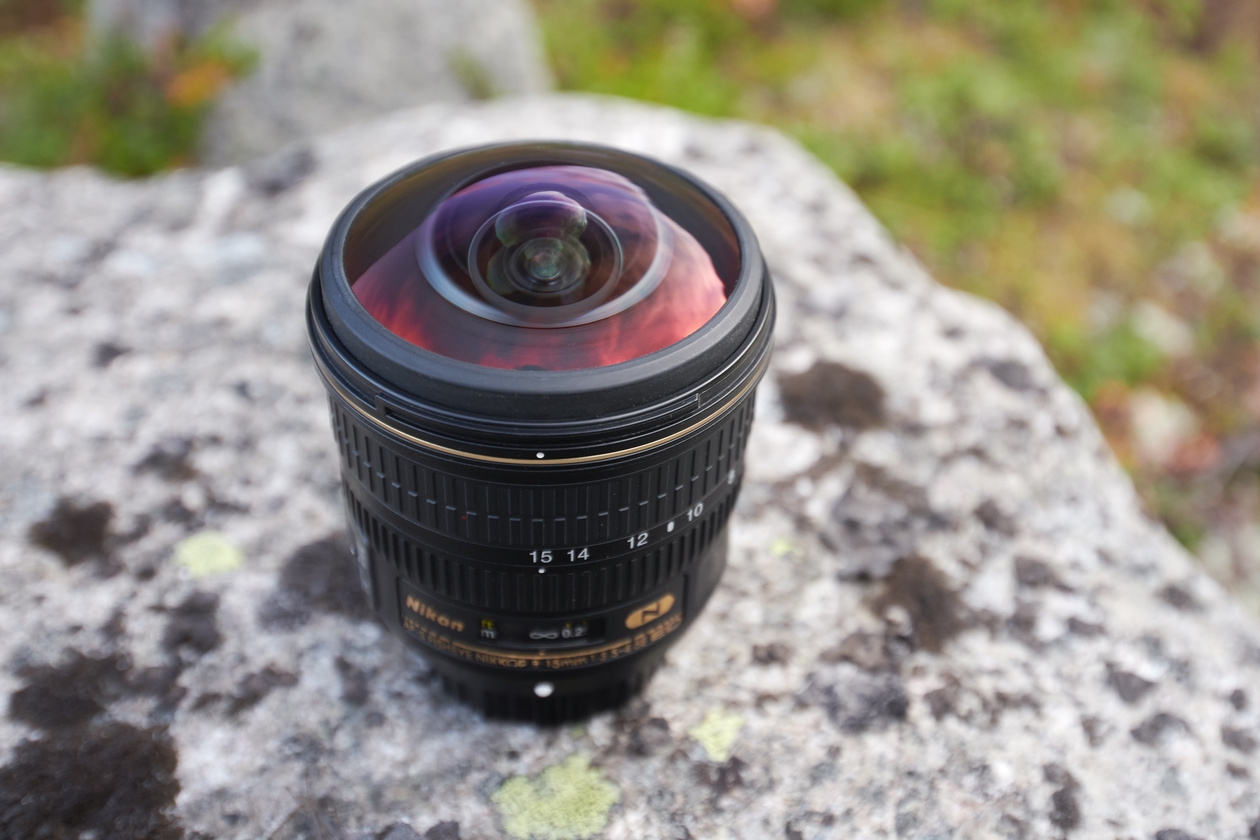
The zoom fisheye used for these photos is the rare exception. On full frame it works as a circular fisheye at its shortest focal length and as a diagonal fisheye from 14 mm. On APS-C, its zoom scale has a special mark between 10 and 12 mm: set there, the lens covers the whole DX frame as a diagonal fisheye with 180 degrees.
Editor's note: where those numbers come from. A fisheye's focal length follows from its mapping function and the image size it must fill. Wikipedia's calculated fisheye focal lengths for a 180 degree view, for the two most common mappings, are:
| Format and type | Equidistant mapping | Equisolid-angle mapping |
|---|---|---|
| Full frame, circular (12 mm image radius) | 7.6 mm | 8.5 mm |
| Full frame, diagonal (21.7 mm) | 13.8 mm | 15.3 mm |
| APS-C, circular (8.4 mm) | 5.3 mm | 5.9 mm |
| APS-C, diagonal (15.1 mm) | 9.6 mm | 10.6 mm |
That matches the zoom's behavior: circular at 8 mm, diagonal on full frame from 14 to 15 mm, and diagonal on APS-C at a mark between 10 and 12 mm.
Every fisheye has a domed front element, so the hood doubles as a bumper. On a zoom fisheye it has to come off for circular shooting, or its edges show in the frame.
Why do lines bend in a fisheye photo?
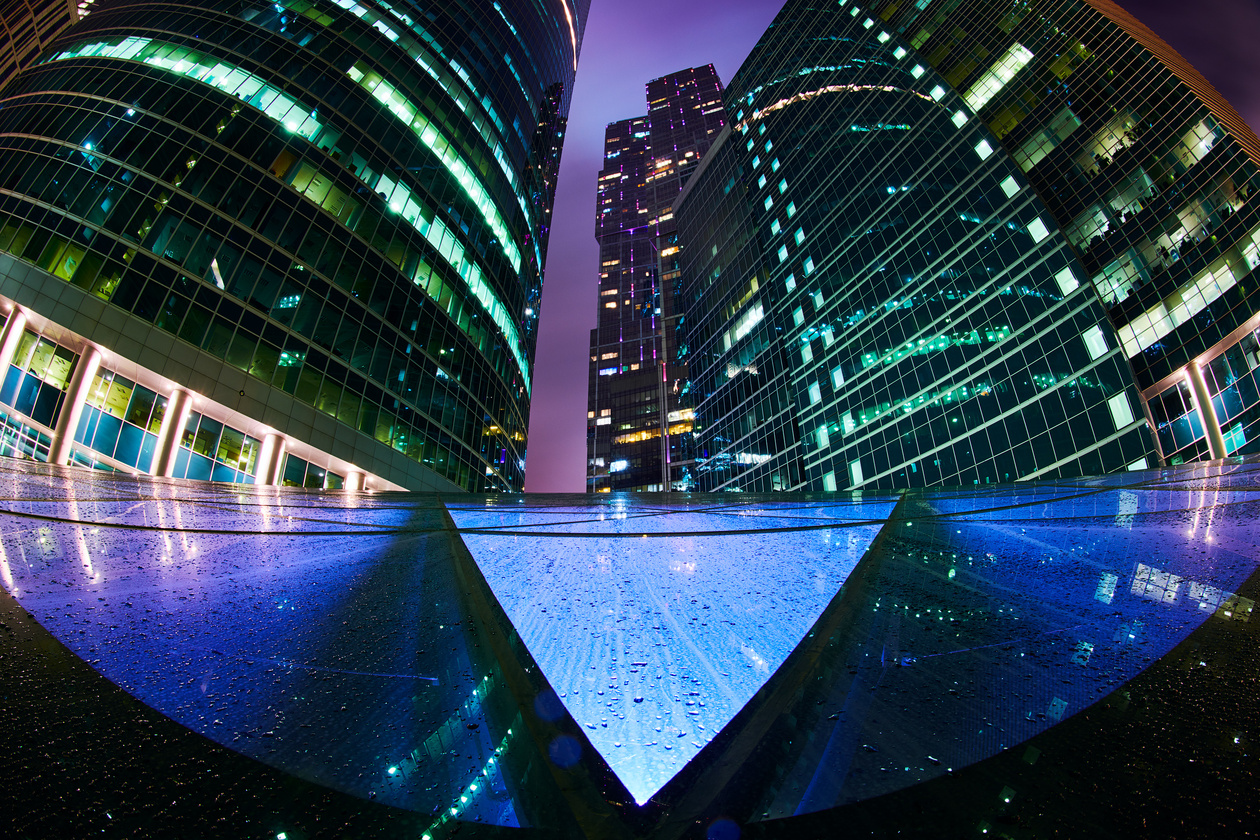
Fisheye distortion grows toward the edges of the frame. Objects bend more the closer they sit to the border, so to show something without deformation, put it in the center. The same rule applies to the horizon: through the center it stays straight, above or below it curves.
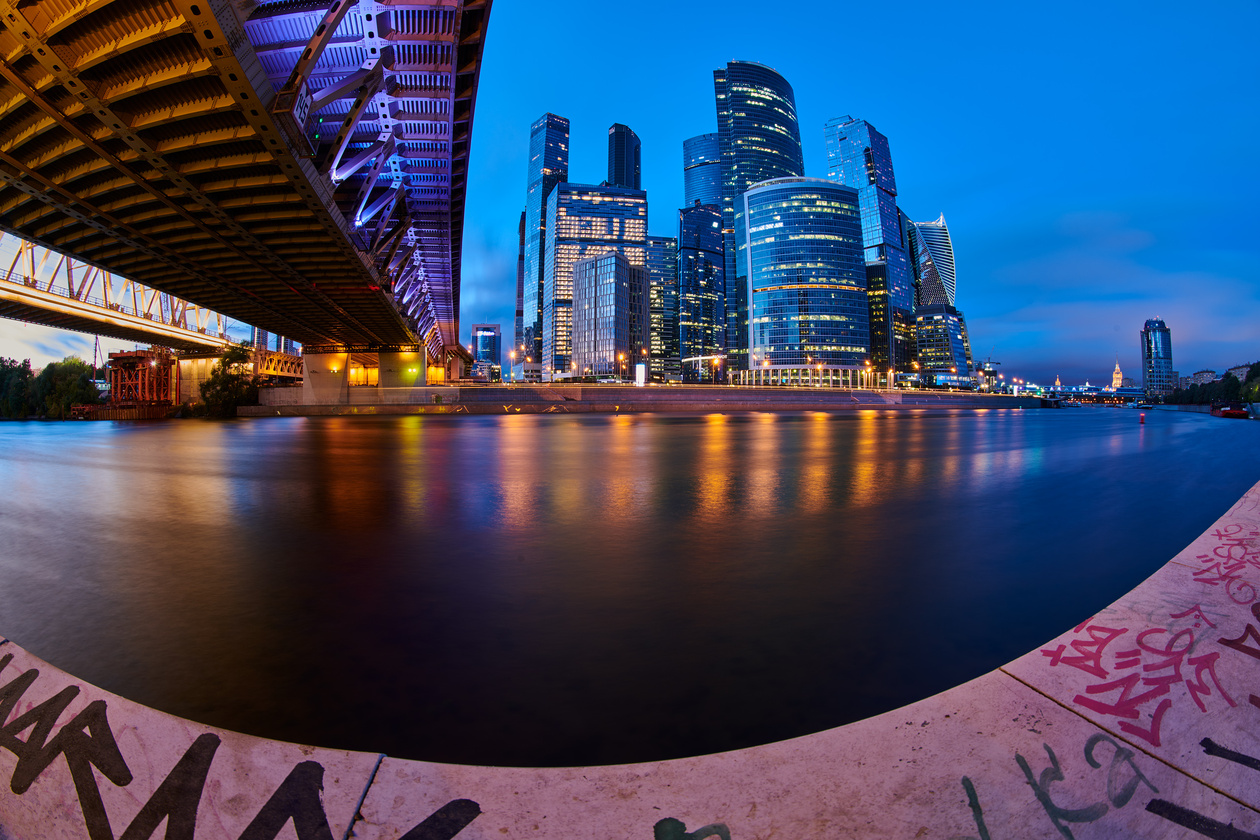
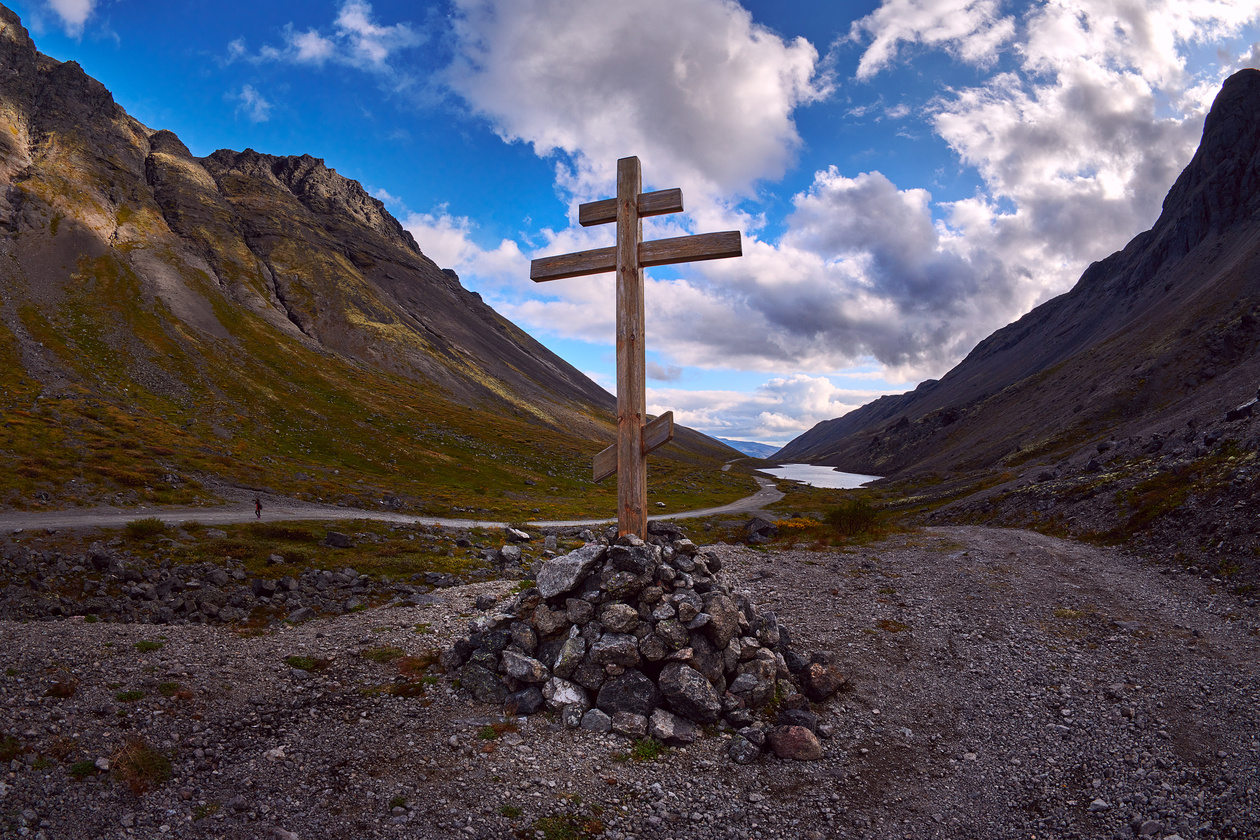
With natural subjects the distortion can be barely visible, because rocks, trees and hills have complex shapes. In a city it will usually be strong. Yet the unusual curves help you see familiar places in a new way, which makes the fisheye a good exercise for composition skills.
How to fix fisheye distortion in Lightroom
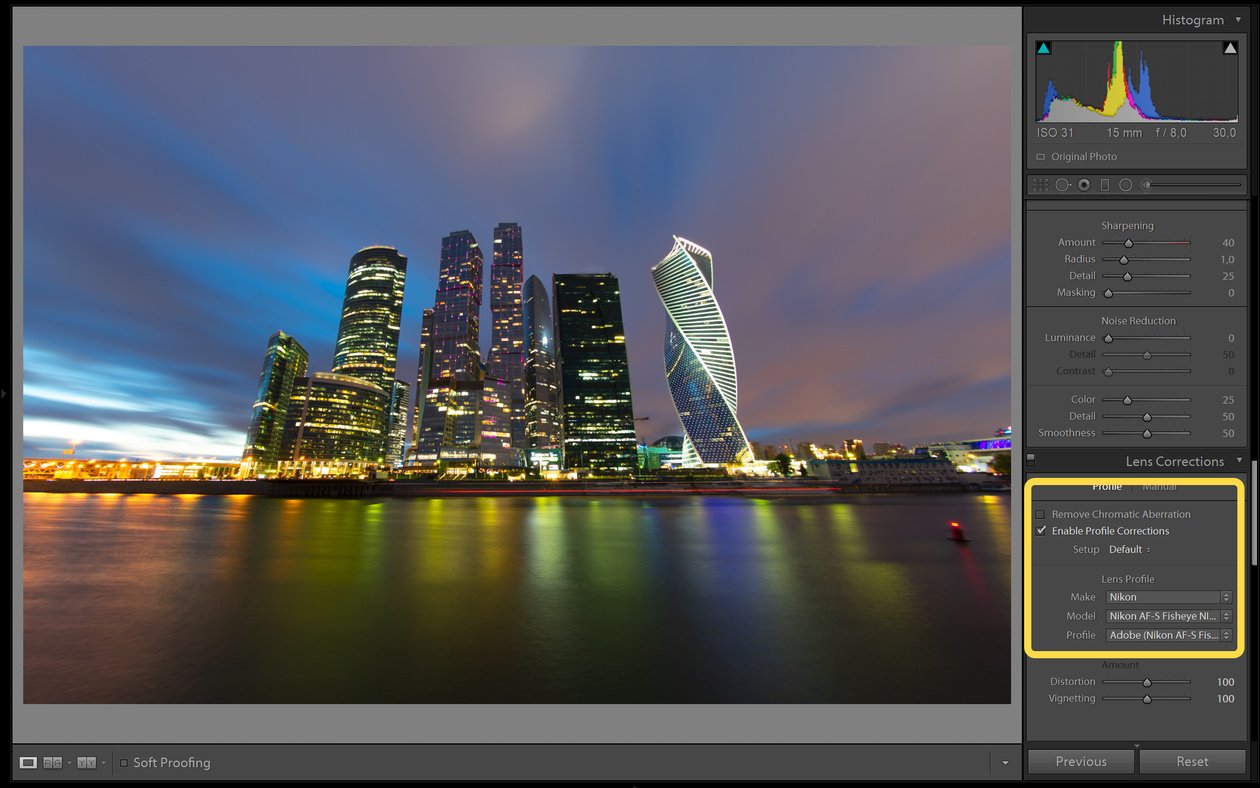
Distortion can be removed in editing to return the image to a straight-line look. In Adobe Lightroom Classic it takes one click: check the box that enables the lens profile correction. You pay for it with angle of view, and quality drops at the edges because they get stretched.
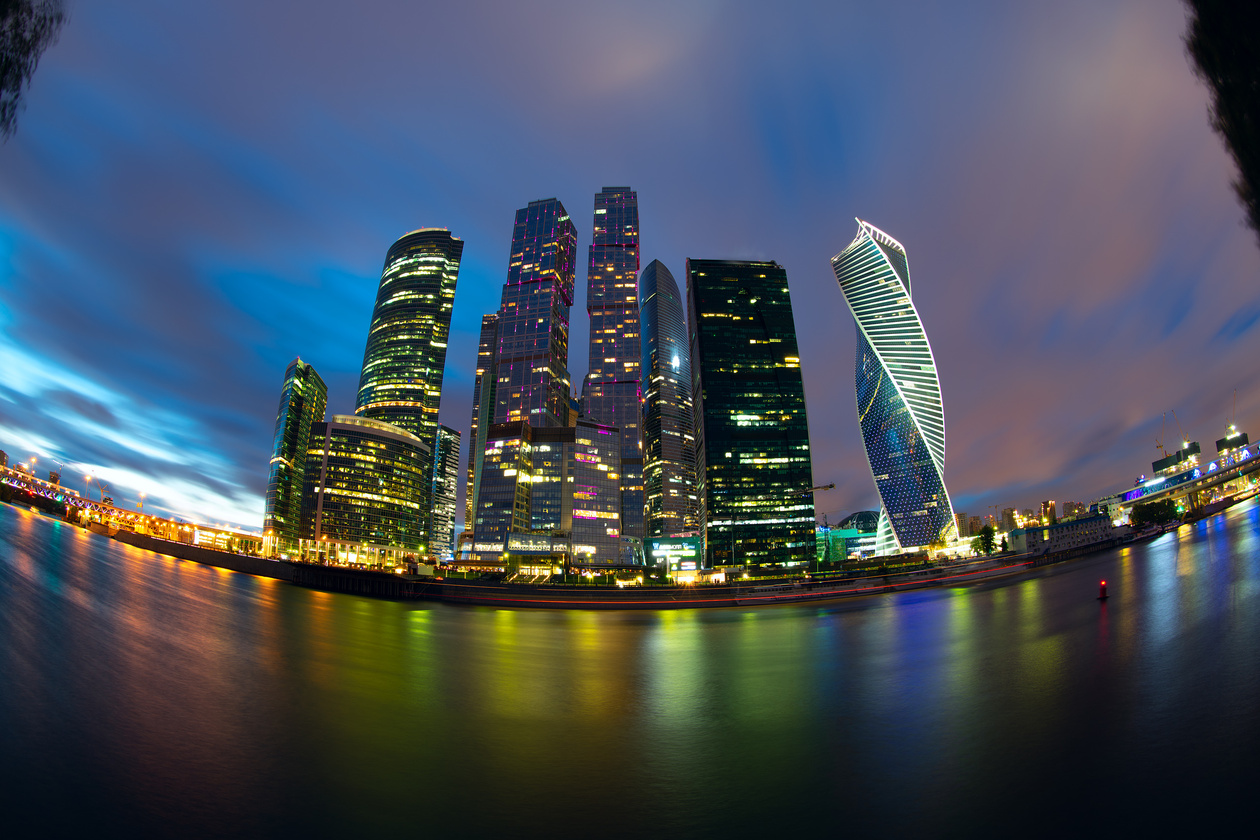
Either way, a fisheye makes striking frames that no other lens can: powerful foregrounds and exaggerated perspective are its trump cards.

Fisheye perspective: big foregrounds, tiny backgrounds
All short lenses show strong perspective distortion, but the fisheye's huge angle pushes it furthest. The closer an object, the larger it looks against the background; in a fisheye this property of linear perspective becomes grotesque.
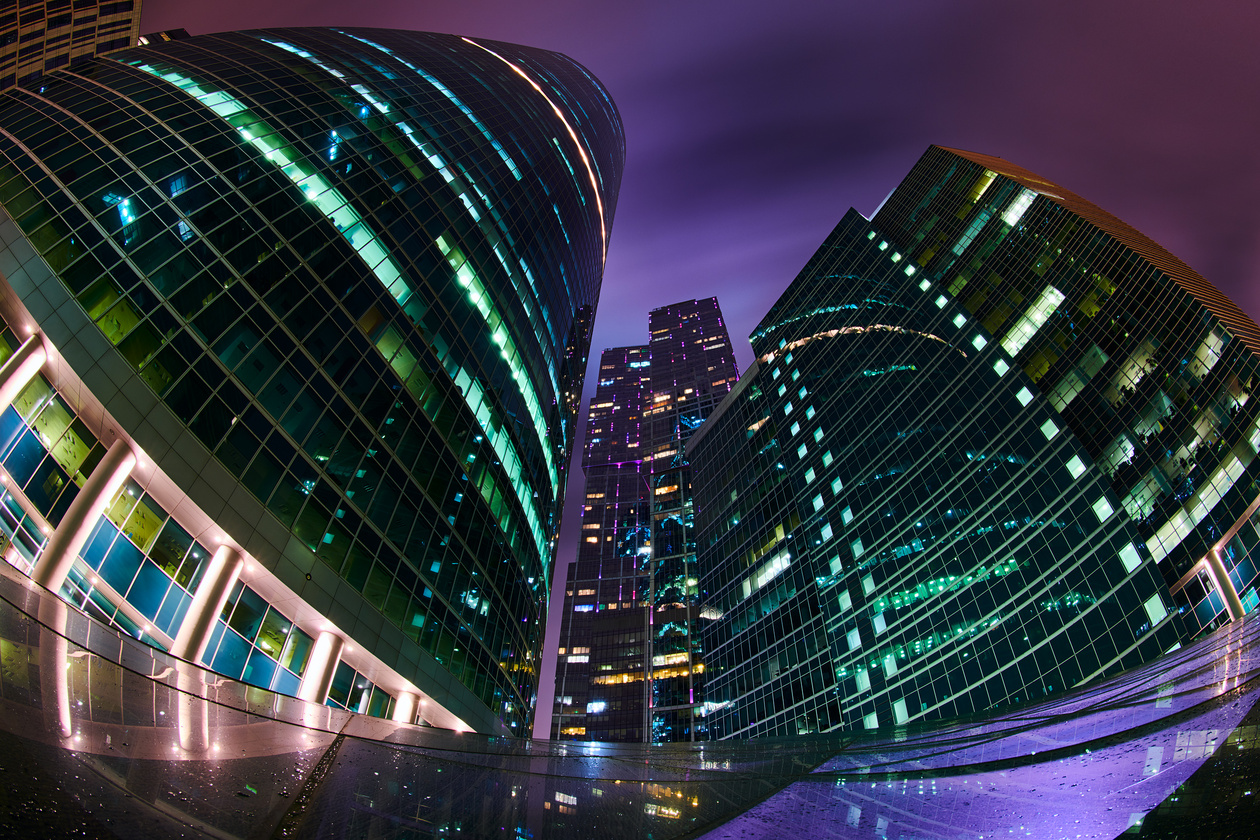
Perspective lets you reshape things: enlarge the foreground and shrink the background. Put a face close to the camera and the nose and head grow; shoot from below and the legs get longer. The skill is to make the distortion serve the picture rather than spoil it.
Why everything is sharp: fisheye depth of field
With such a short focal length, fisheyes give very deep depth of field. That makes extremely close foregrounds easy, and in tight spots you can shoot without looking through the viewfinder at all: camera held overhead, or right at ground level. Set the lens to the hyperfocal distance, which is always close with short lenses. At 15 mm and f/8 it is about 1 m: focus there and everything from half a meter to infinity is sharp. Modern fisheyes such as the 8-15 mm zoom also resolve well across the whole frame.
Editor's note: the hyperfocal math. Hyperfocal distance H = f² ÷ (N × c) + f, where f is the focal length, N the f-number and c the circle of confusion. Wikipedia's article on the circle of confusion gives 0.029 mm (the diagonal divided by 1500) as a widely used limit for full frame. So H = 15² ÷ (8 × 0.029) + 15 = 985 mm, about 1 m (3.2 ft), and the near limit of sharpness is half of that, 0.49 m (1.6 ft).
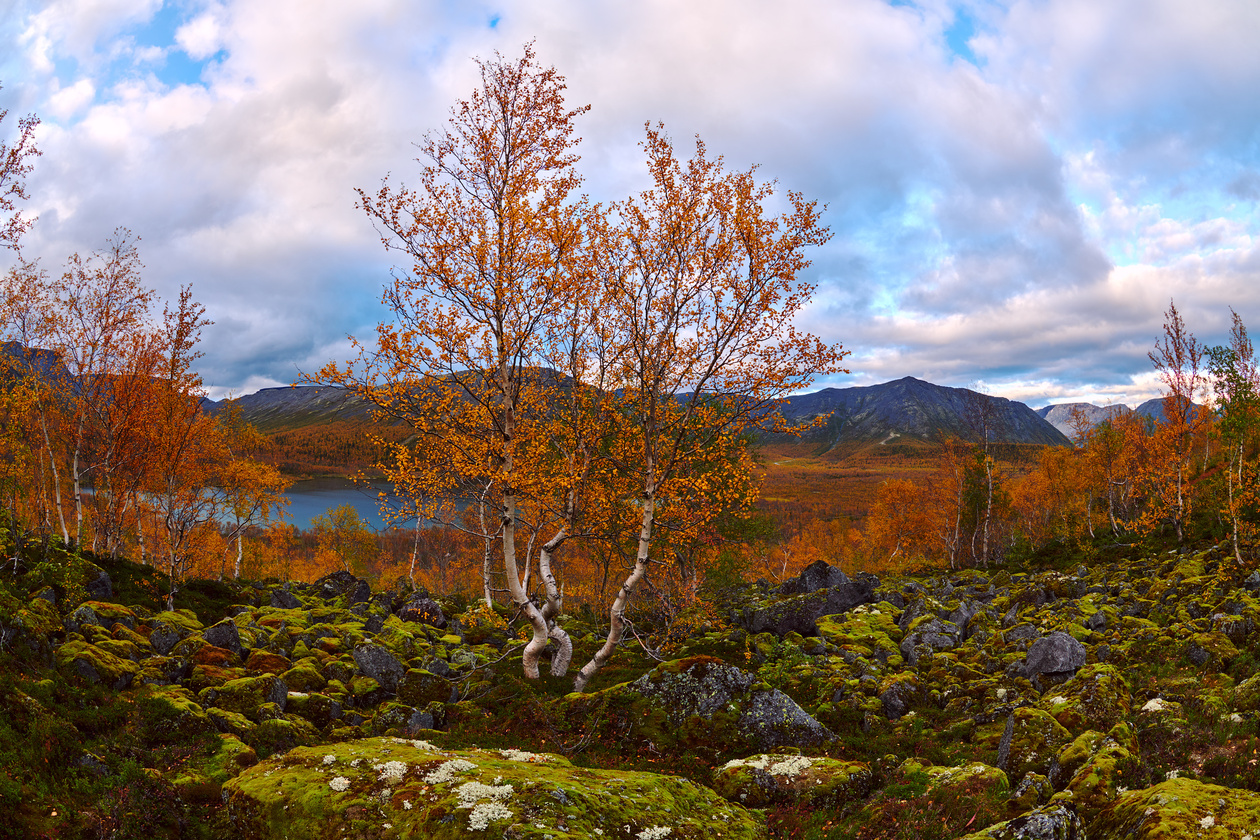
Fisheye rules of thumb: keep anything that must look straight on a line through the center of the frame. Set f/8 and focus at about 1 m (3 ft) on a 15 mm full-frame fisheye, and everything from half a meter to infinity is sharp. Get the foreground close: the fisheye magnifies whatever is nearest.
What is a fisheye lens used for?
The main role of a fisheye is a second lens with a twist, and it suits nearly every genre. It is a very specific lens and is unlikely to become your main creative tool, but it earns a place in the bag almost everywhere.
- Underwater. You cannot see far in water, so you must shoot from minimal distance yet keep a wide enough view.
- Panoramas, both simple and spherical 3D ones. The wider the lens's angle of view, the fewer frames you need to cover the whole sphere.
- Landscape and architecture, portraits, weddings and reportage. This is only a partial list of the genres where photographers use fisheyes.
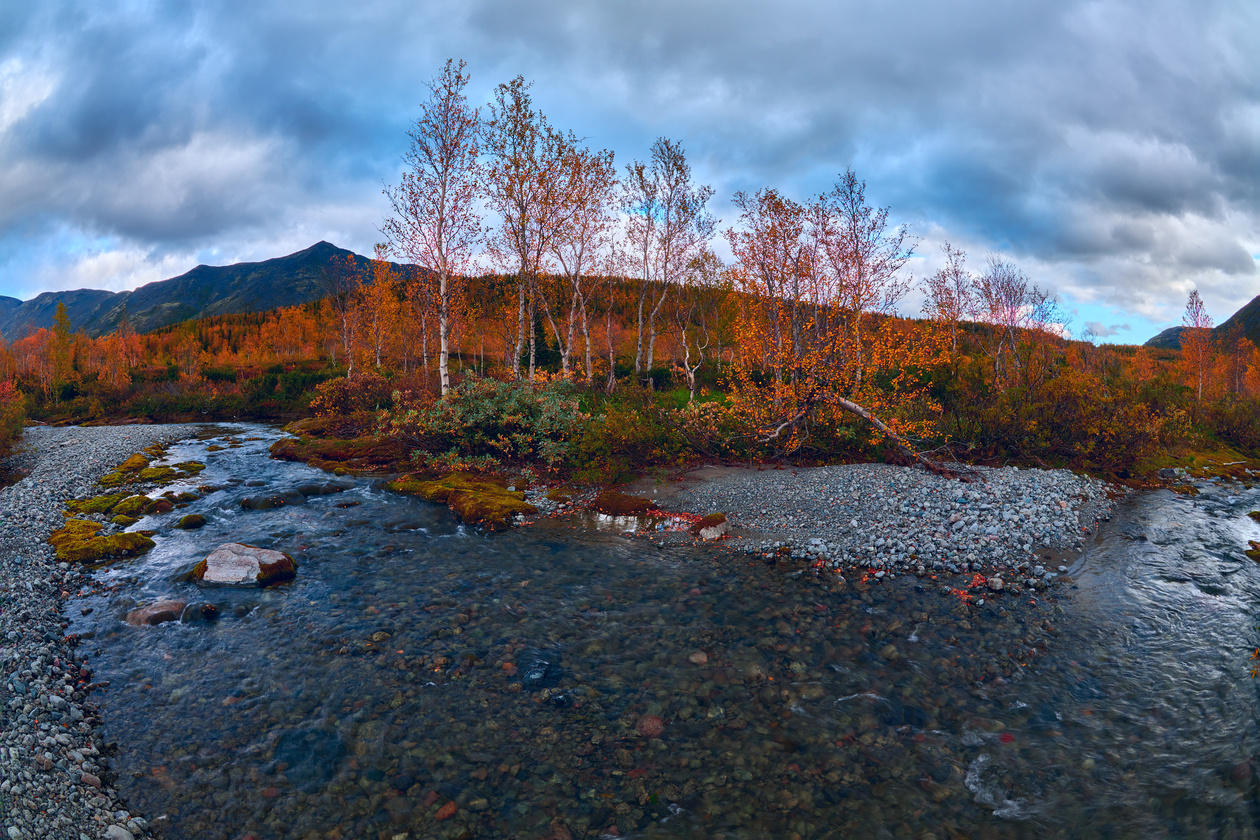
The key to a fisheye is treating it as a tool, not a toy: give it deliberate tasks and pick the subjects that suit its look, and it repays the time it takes to learn.
How to shoot with a fisheye: 5 steps
Editor's note. The advice above, in the order you apply it on location:
- Pick the type. Use the circular setting for a round, all-around view or a panorama sphere, and the diagonal setting when the frame must be filled.
- Place the straight lines. Put the horizon and any building edge that must look straight on a line through the center of the frame.
- Find the foreground. Move the lens to within a meter (3 ft) of the nearest strong object, since the fisheye enlarges whatever is closest.
- Pre-focus. At 15 mm on full frame, set f/8 and focus at about 1 m; everything from half a meter to infinity is then sharp.
- Check the edges. Look for your own feet, the tripod legs, a hood edge and your shadow, all of which a 180 degree lens easily includes.
Which fisheye lens should you buy?
Editor's note: our verdict. Match the fisheye to your sensor first, then decide between circular and diagonal.
| You shoot | Lens to look for | Why |
|---|---|---|
| Full frame, one fisheye for everything | Zoom fisheye, 8-15 mm class | Circular at 8 mm, diagonal from 14 to 15 mm, plus an APS-C setting |
| Full frame, frame-filling look only | Diagonal fisheye, 15 to 16 mm | The fisheye look without black corners |
| APS-C | Diagonal fisheye, about 10 mm | A full-frame 15 mm fisheye loses its effect on a crop body |
| Micro Four Thirds | 8 mm diagonal fisheye | Frames like 16 mm on full frame |
| Spherical panoramas | Circular fisheye | Covers the sphere in the fewest frames |
As an example of a current lens, OM SYSTEM's M.Zuiko Digital ED 8mm F1.8 Fisheye PRO for Micro Four Thirds covers 180 degrees, weighs 315 g (11.1 oz) and focuses as close as 0.12 m (4.7 in); the maker gives its full-frame equivalent as 16 mm.
To shop by type, search for a full-frame fisheye zoom, a 10 mm fisheye for APS-C or a circular 8 mm fisheye, and check the mount before you buy. The APS-C vs full frame guide explains why the same lens covers so differently on the two formats, and the types of camera lenses overview shows where fisheyes sit among the other lens classes.
Our pick: we recommend a zoom fisheye if you shoot full frame and want one fisheye: it gives both the circular and the diagonal look and keeps working if you add an APS-C body. On a crop camera, buy a fisheye made for APS-C, around 10 mm, rather than a full-frame 15 to 16 mm one.
Frequently asked questions
- What is a fisheye lens?
- A fisheye lens is an ultra-wide lens whose distortion is left uncorrected on purpose. A normal wide-angle lens is designed to keep straight lines straight; a fisheye bends every line that does not pass through the center of the frame. In exchange it reaches a 180 degree angle of view, far wider than a rectilinear lens of the same focal length.
- What is the difference between a circular and a diagonal fisheye?
- A circular fisheye draws a round image inside the frame, with black corners, and covers 180 degrees in every direction. A diagonal, or full-frame, fisheye fills the whole rectangle and covers 180 degrees across the frame diagonal only. On full frame, circular fisheyes are typically 8 to 10 mm and diagonal ones 12 to 18 mm.
- Can you use a full-frame fisheye on an APS-C camera?
- You can, but it loses the point. The smaller sensor crops the edges of the image, so a full-frame diagonal fisheye becomes an unremarkable wide-angle lens with moderate distortion. APS-C cameras need shorter fisheyes, around 10 mm for a diagonal one. Zoom fisheyes such as an 8-15 mm cover both formats, with a marked setting for APS-C.
- Can you remove fisheye distortion?
- Yes. In Adobe Lightroom Classic, enabling the lens profile correction turns a fisheye frame back into a straight-line image with one click. The price is the angle of view, which shrinks, and quality at the edges, which drops because the corners are stretched. For straight-line results it is better to shoot with an ultra-wide rectilinear lens.
- What is a fisheye lens used for?
- Mainly as a second lens with a twist, in almost any genre. Underwater photographers use it to work close yet keep a wide view. Panorama shooters need fewer frames to cover a full sphere. Landscape, architecture, wedding, portrait and reportage photographers use it for strong foregrounds, curved horizons and spaces too cramped for any other lens.
- Why is everything sharp with a fisheye lens?
- Because the focal length is so short that depth of field is huge. At 15 mm and f/8, the hyperfocal distance is about 1 m (3.3 ft): focus there and everything from about half a meter (1.6 ft) to infinity is acceptably sharp. That lets you shoot without looking, with the camera held overhead or right at ground level.
Sources
- Fisheye lens, Wikipedia (2026)
- Hyperfocal distance, Wikipedia (2026)
- Circle of confusion, Wikipedia (2026)
- M.Zuiko Digital ED 8mm F1.8 Fisheye PRO, OM SYSTEM (2026)
Originally published on Prophotos.ru.