85mm lens for portraits - why it works
by Konstantin Voronov · Photography Tips
As an Amazon Associate I earn from qualifying purchases. Links to Amazon on this page are affiliate links.
In short: An 85 mm lens is a short telephoto and the classic portrait lens on full frame. It covers 28.6 degrees diagonally, keeps you about 1.5 to 2 m (5 to 6.5 ft) from a head-and-shoulders subject, blurs backgrounds softly and weighs around 500 g in its fast prime versions. On APS-C it frames like 127.5 mm, so a 50 mm lens takes its place there.
The fast 85 mm prime is one of the most popular fixed focal lengths. Photographers call it simply a portrait lens. It sits in the moderate telephoto range: a fairly narrow view that brings the subject noticeably closer, which is the main difference from a 50 mm lens with its normal angle of view.
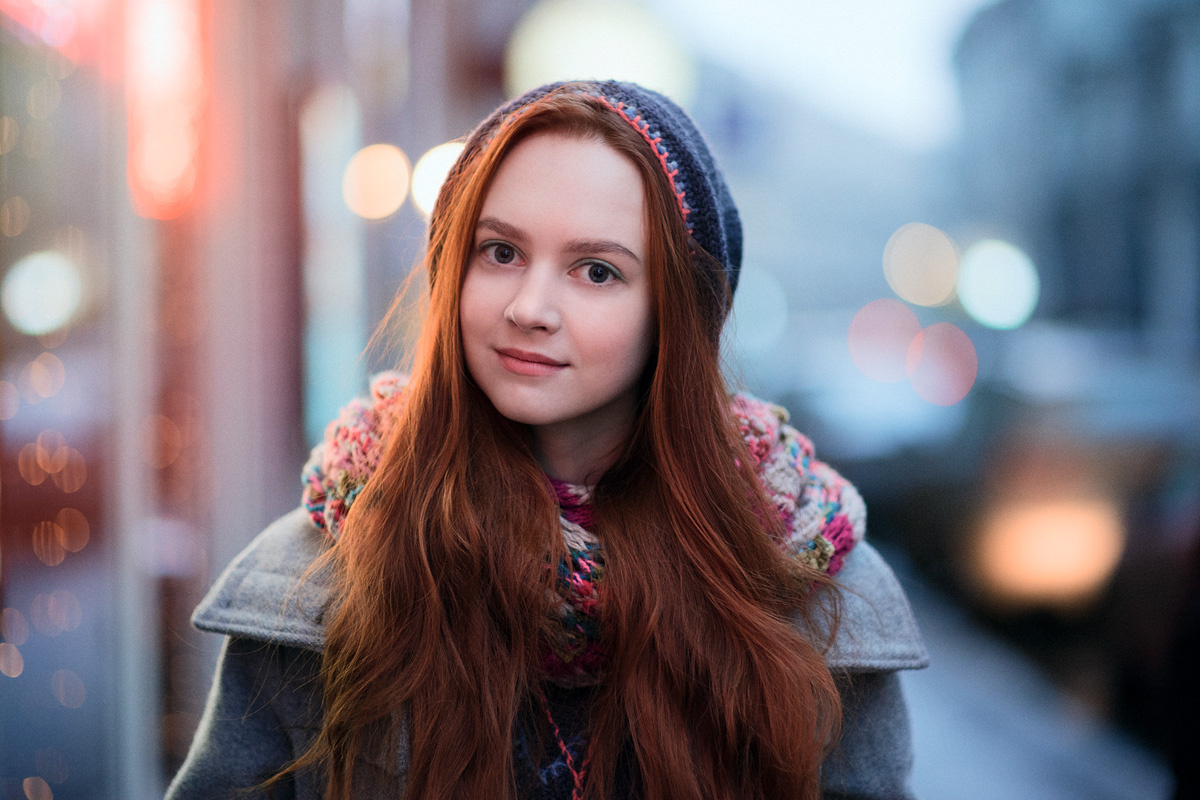
Why is an 85mm lens good for portraits?
Because it puts you at the right distance. At 85 mm the framing of a portrait and the perspective of the face come out just right: you stand far enough away that features nearest the lens are not enlarged, and close enough to direct the model.
Classic portrait lenses also render with gentle contrast at wide apertures, which suits faces and softens skin flaws.
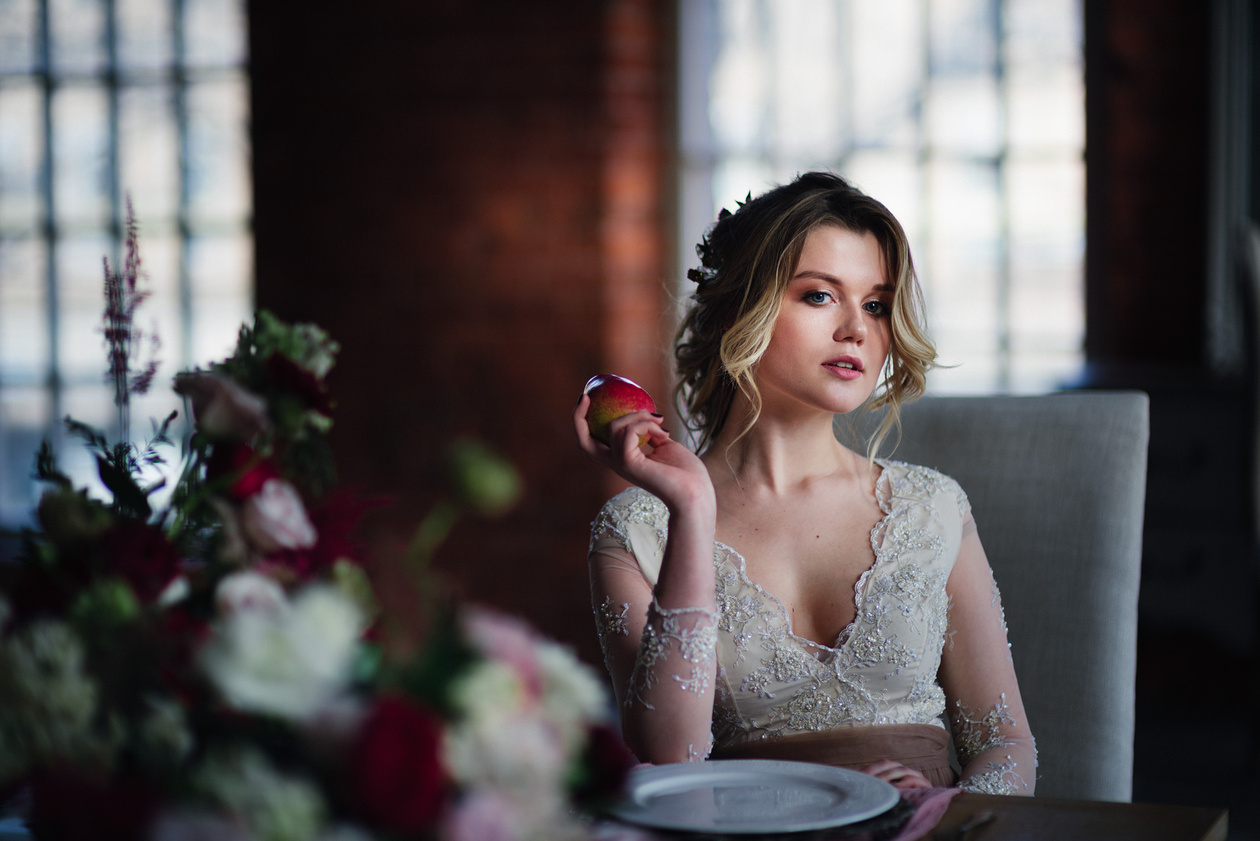
Editor's note: the 85 mm view in numbers. On full frame (36 x 24 mm) the diagonal angle of view is 2 × arctan(43.27 ÷ 170) = 28.6°, and the horizontal one 2 × arctan(36 ÷ 170) = 23.9°. Wikipedia's article on portrait photography gives 75 to 135 mm as the typical head-and-shoulders range on 35 mm format, with diagonal angles of 18 to 32 degrees, and the telephoto lens article lists 85 to 135 mm as the short or portrait telephoto class. The 85 mm lens sits at the wide end of both.
Working distance by framing
Editor's note. How much of the scene an 85 mm lens covers on full frame at a given distance, from the simple ratio covered width = sensor width × distance ÷ focal length (36 x 24 mm sensor, horizontal frame; approximate, since the lens focuses close):
| Distance | Area covered (horizontal frame) | Suits |
|---|---|---|
| 0.9 m (3.0 ft) | 38 x 25 cm (15 x 10 in) | Face only, near the closest focus distance |
| 1.5 m (4.9 ft) | 64 x 42 cm (25 x 17 in) | Head and shoulders |
| 2 m (6.6 ft) | 85 x 56 cm (33 x 22 in) | Head and shoulders, vertical frame to the chest |
| 3 m (9.8 ft) | 1.27 x 0.85 m (50 x 33 in) | Waist-up |
| 5 m (16.4 ft) | 2.12 x 1.41 m (83 x 56 in) | Full length in a vertical frame |
The table explains the indoor problem with 85 mm: a full-length portrait needs about 5 m (16 ft) of clear space.
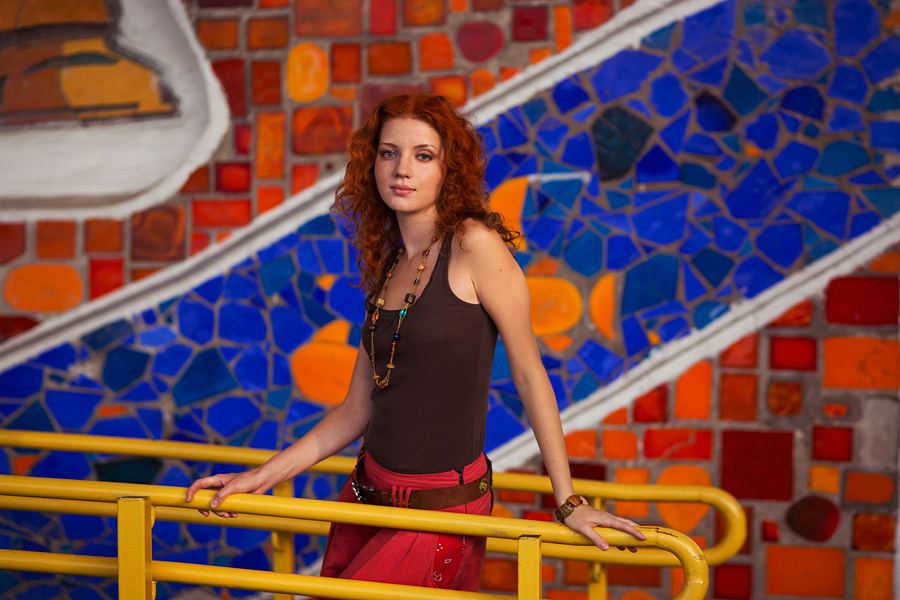
85mm on APS-C vs full frame
The 85 mm lens shows everything it can do on a full-frame camera. On APS-C, the crop factor makes it zoom in strongly: it becomes a proper telephoto, and you must step far back from the subject. It still works for tight close-ups and outdoor shooting.
Editor's note. 85 mm × 1.5 = 127.5 mm: on APS-C the diagonal angle shrinks to 18.8°, the view of a 127.5 mm lens on full frame. A 50 mm lens on APS-C frames like 75 mm (31.5° diagonally), close to the 85 mm view on full frame. That is why, for an all-round portrait lens on a crop body, you should look at a 50 mm lens instead. The APS-C vs full frame guide has the full equivalence table.
Is an 85mm lens only for portraits?
No. Sharpness, a wide aperture, freedom from distortion and a useful angle of view make it work across genres: landscape, product and still-life photography among them.
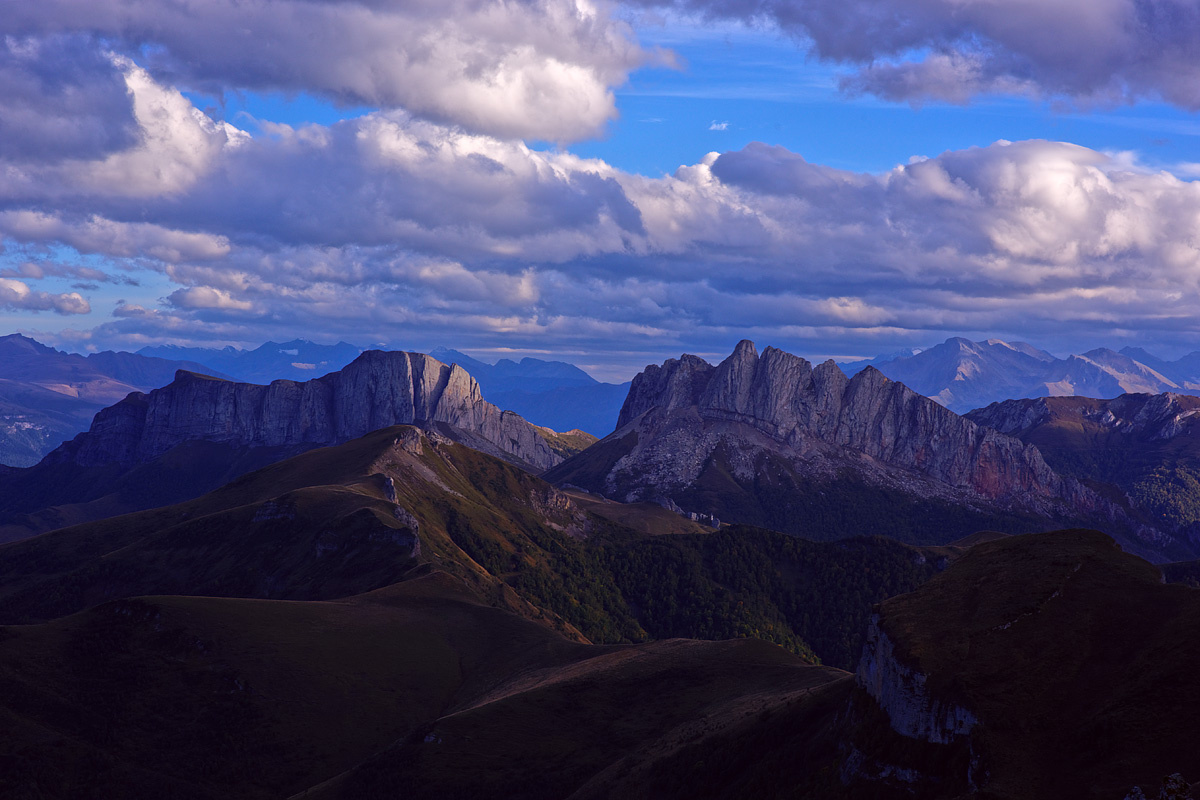
For objects, a sharp fast lens gives delicate frames with shallow depth of field and a softly blurred background. The one limit is the closest focusing distance, around 90 cm (3 ft) on fast 85 mm lenses: this is not a macro lens, and true close-ups need accessories such as extension tubes.
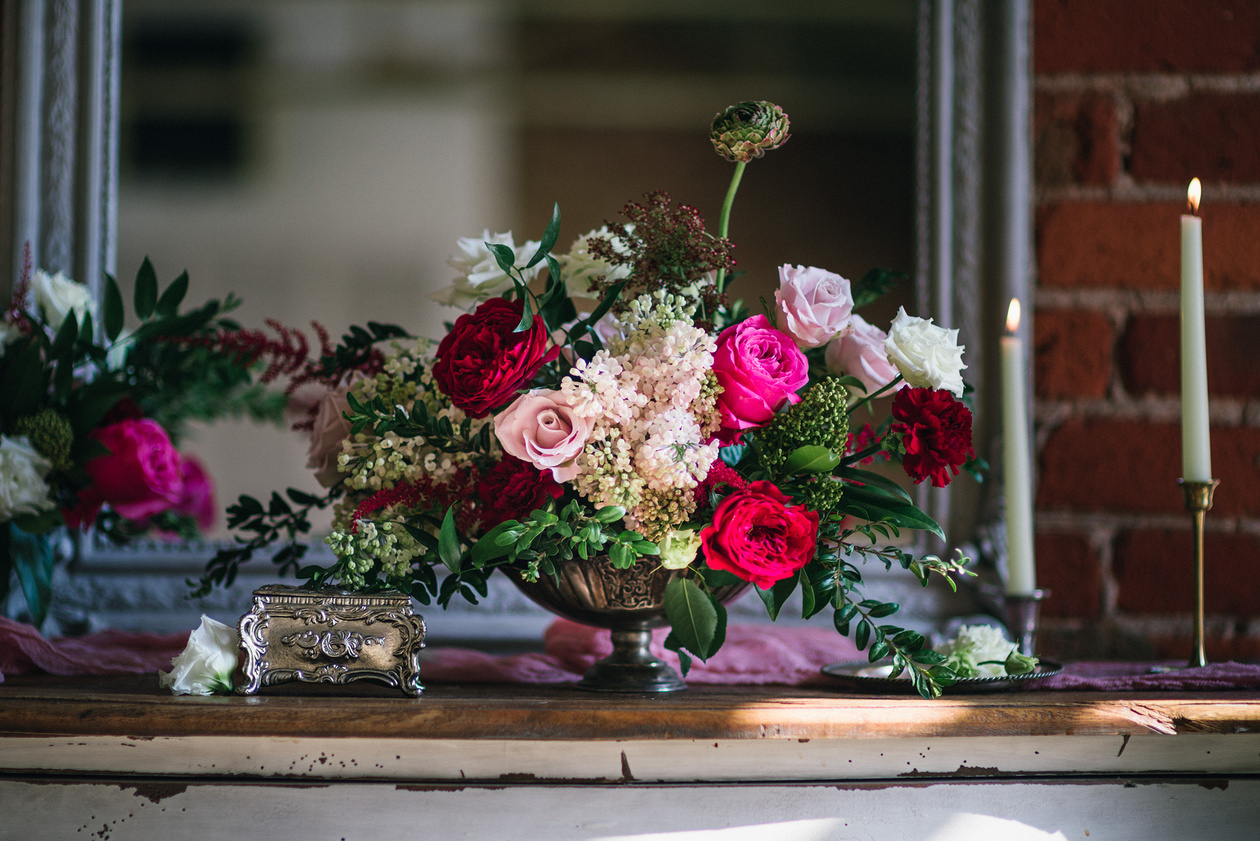
Distortion, the bending of straight lines by a lens's imperfections, is a problem of short lenses, and it also shows up in long lenses, above all in all-purpose zooms. 85 mm primes are free of it, which matters for product and architectural work. High detail and calm perspective also make the 85 mm a fine still-life lens.

85mm bokeh: why the background blur looks softer
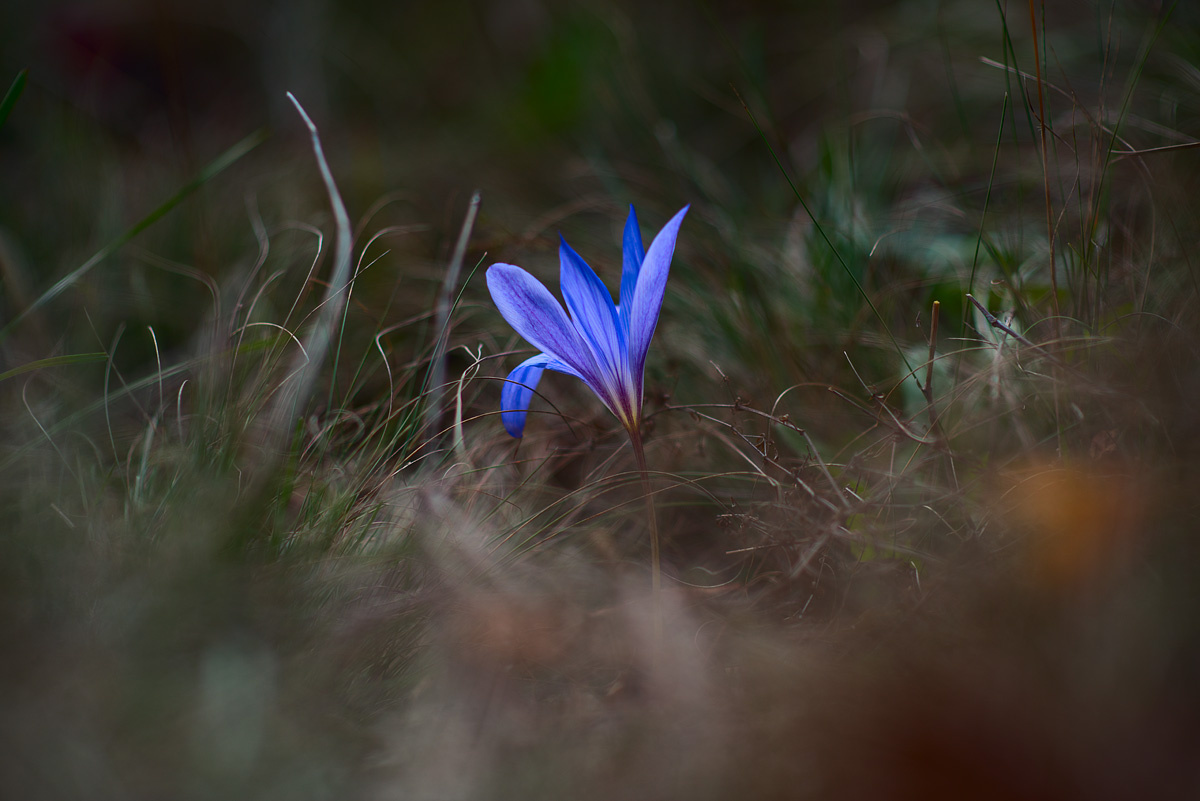
A wide aperture combined with a long focal length makes these lenses superb at background blur. Compared with 50 mm lenses, which render out-of-focus highlights as harder, sharply outlined discs and keep blurred objects recognizable, 85 mm lenses blur more softly. Almost any fast 85 mm gives a pleasant background; each photographer can pick the one whose rendering they like best.
Blur isolates the subject or hides unwanted details. You do not always have to use it, but having the option matters creatively.

Compressed perspective: making mountains look bigger
Shot at the distance a telephoto calls for, distant objects appear closer and larger in the frame than they do through a wide lens used up close. The working distance does it, not the lens itself, as the telephoto lens guide computes: from the same spot, both lenses give the same proportions.
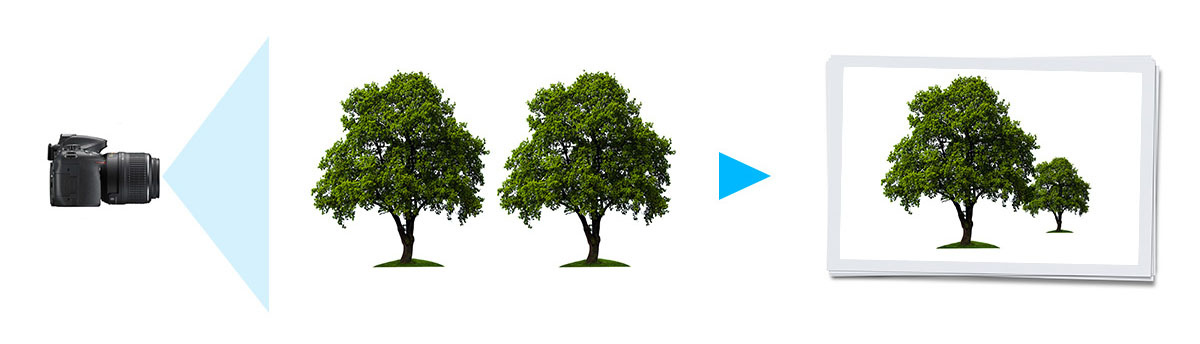
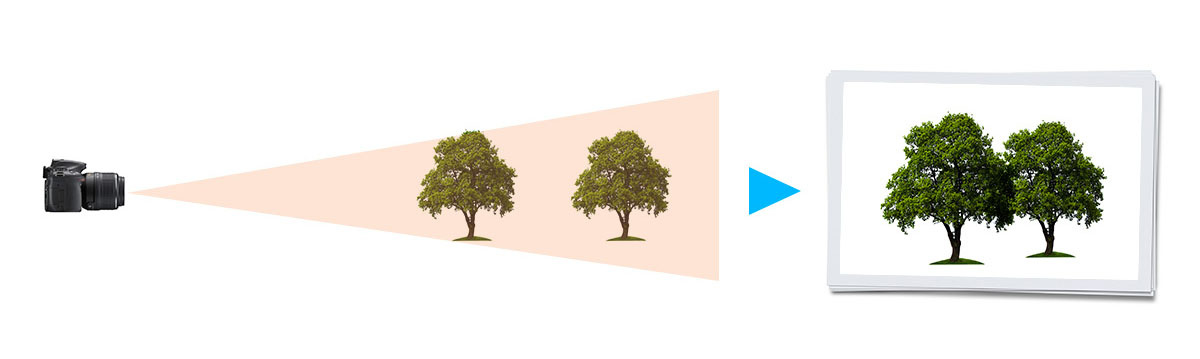
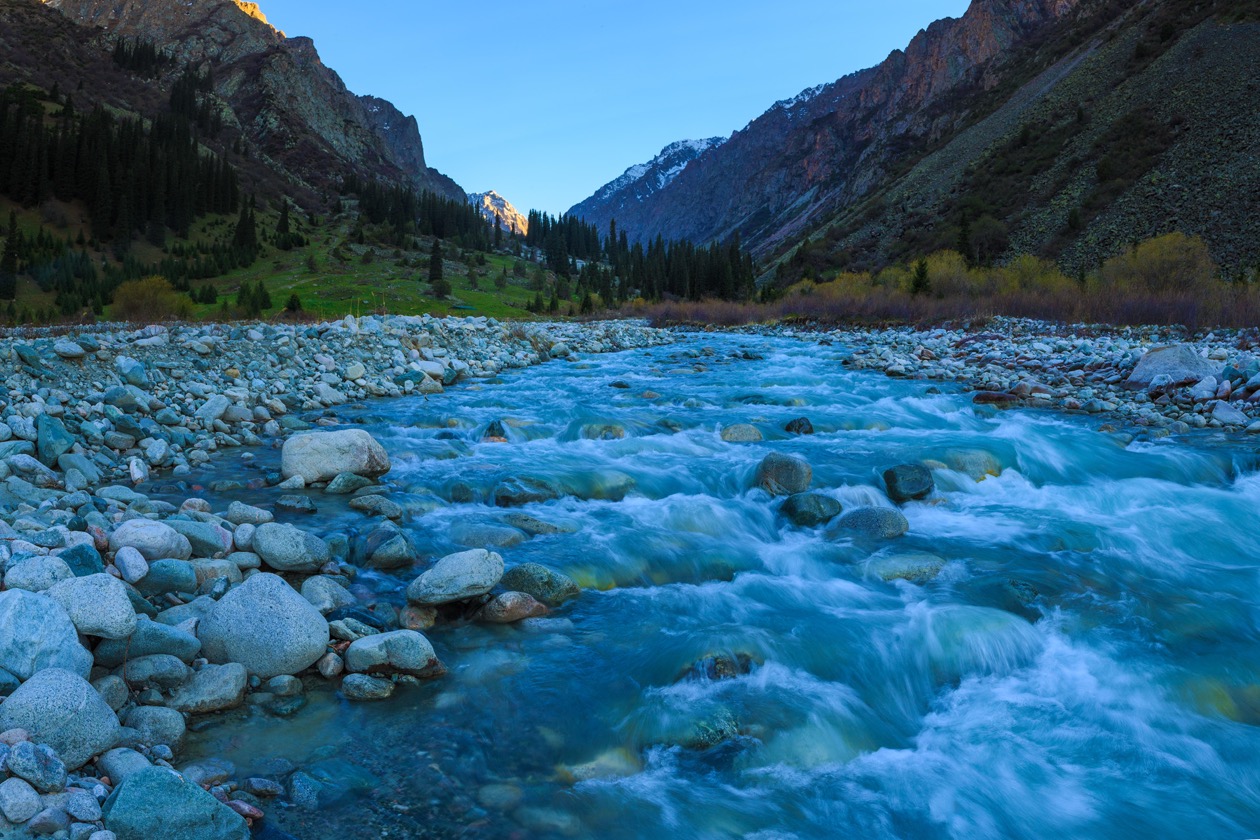
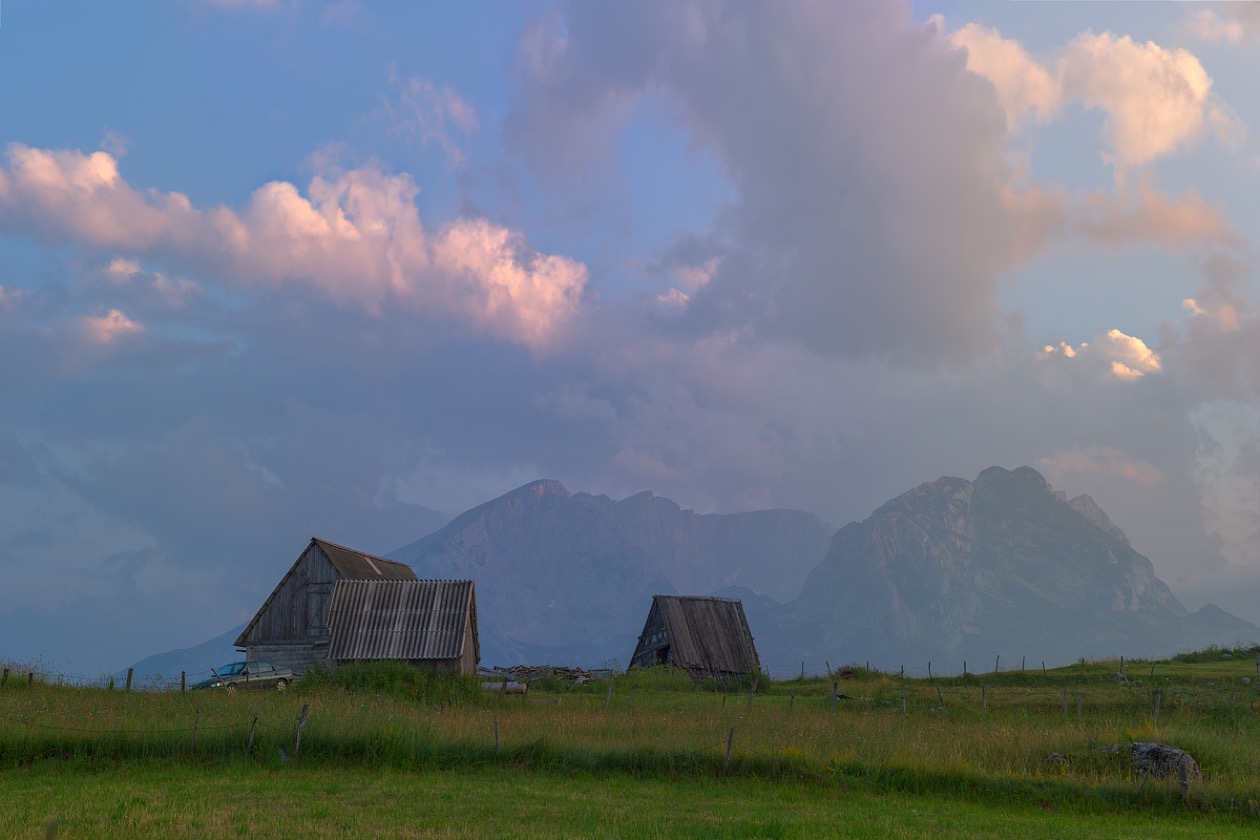
Photographers use this to control the background. In the mountains, a short telephoto makes the peaks look large and imposing instead of small and far away.
85mm vs 50mm: why you might want both
A 50 mm lens alone is not always enough: sometimes you need a tighter frame, a distant subject or different perspective. The best partner for a 50 mm lens is an 85 mm. Wedding and family photographers frequently work with just this pair on posed shoots: 50 mm for the wider shots, 85 mm for the close ones. The same pair works for travel, where the 85 mm handles moderate telephoto jobs and its wide aperture lets you hand-hold at dusk.
The 85 mm is also small for a telephoto. Fast telephoto zooms are big and heavy: a 70-200 mm f/2.8 zoom weighs nearly 1.5 kg (3.3 lb) and is more than 20 cm (7.9 in) long. Fast 85 mm primes weigh about 500 g (1.1 lb) and are rarely longer than 10 cm (3.9 in). An 85 mm f/1.8 lens can be almost four times lighter than a 70-200 mm f/2.8 zoom.
Best aperture for portraits with an 85mm lens
Like any advanced tool, an 85 mm lens asks for skill. Four habits make the difference.
- Nail the focus. Depth of field with a telephoto at wide apertures is extremely thin, so missing focus is easy. Learn your camera's autofocus settings, and check every frame magnified after the shoot.
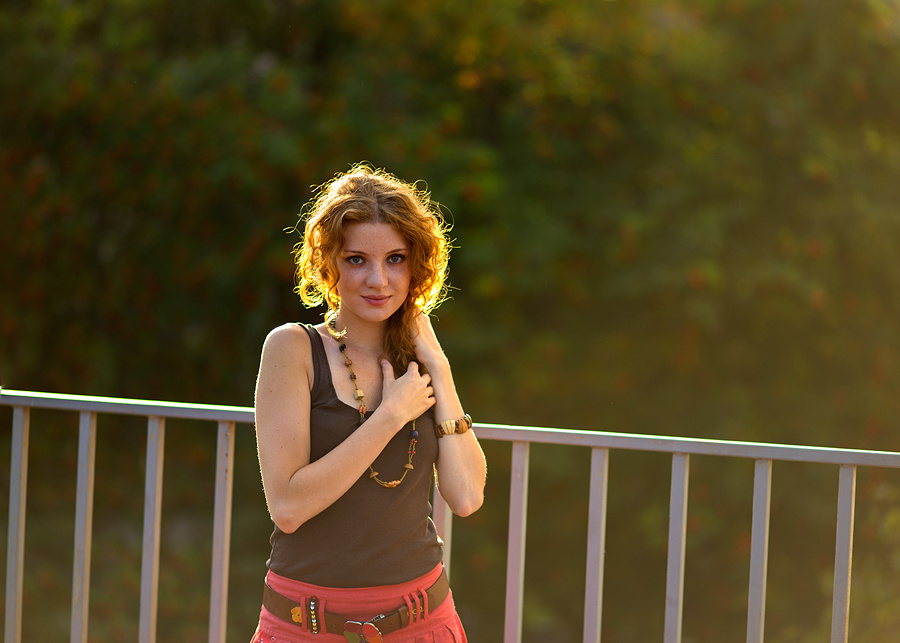
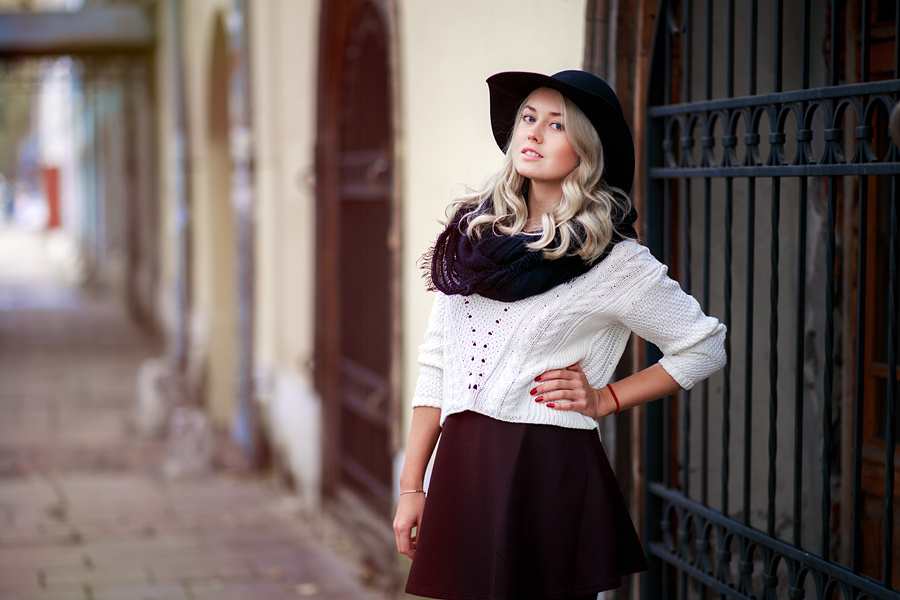
- Stop down a little. Wide open at close range, almost nothing may fall within the depth of field and the frame looks soft. Closing the aperture slightly improves image quality, reduces chromatic aberration, deepens the depth of field a little and forgives small focusing errors. In the portrait below, f/2.5 kept the whole face sharp while the background stayed blurred.
- Keep the shutter speed short. The longer the lens, the more the viewfinder image shakes, and the higher the risk of blur from camera shake. With an 85 mm lens, avoid shutter speeds longer than 1/160 to 1/200 s.
- Plan for distance. The 85 mm needs plenty of room between you and the subject, so beginners find it easier outdoors than indoors.
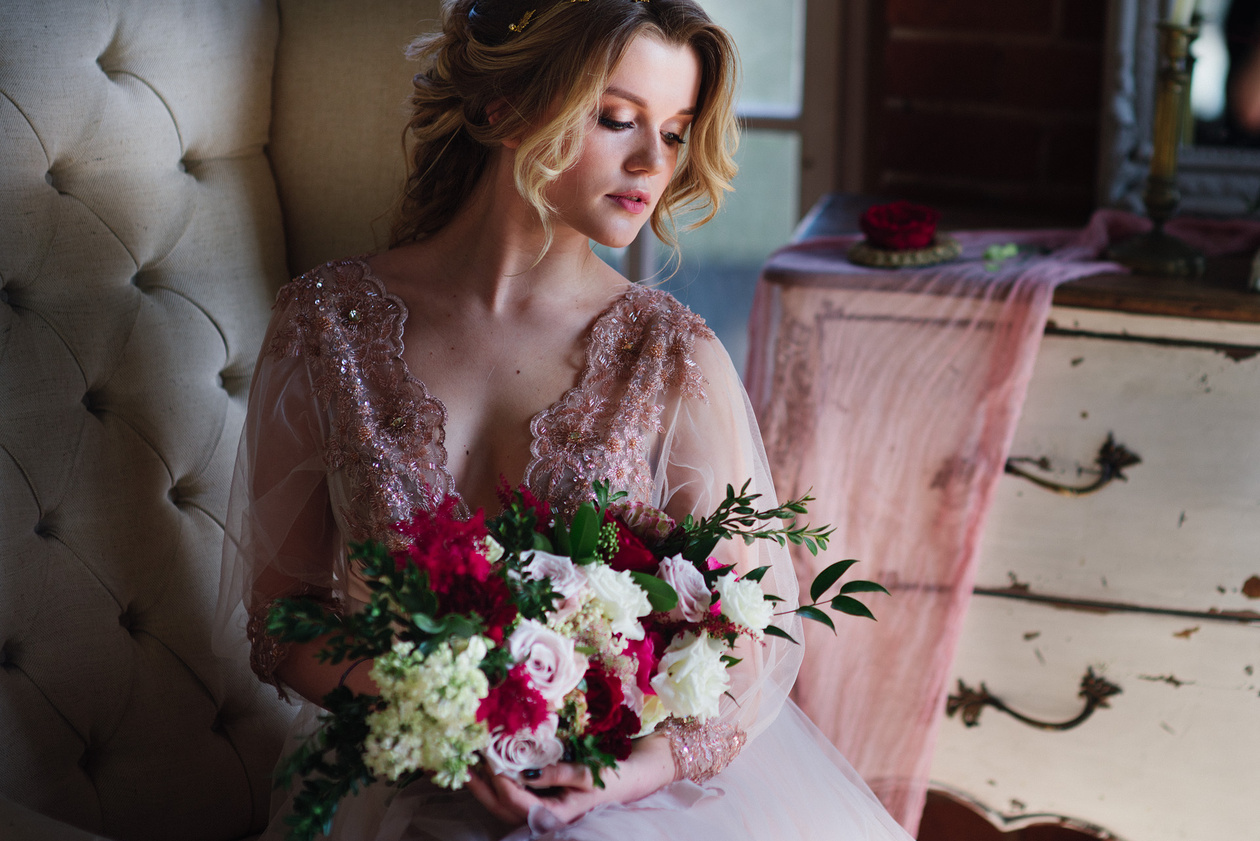
Editor's note on the shutter-speed limit. The handheld rule from our shutter speed guide, 1 ÷ (2 × focal length), gives 1/170 s at 85 mm on full frame, in line with the 1/160 to 1/200 s above. On APS-C use the equivalent focal length: 1 ÷ (2 × 127.5) gives about 1/250 s. How the f-number changes depth of field is covered in what aperture is, and the trade between aperture, shutter speed and ISO in the exposure triangle.
Best aperture for portraits: start at f/2 to f/2.8 for a single face at head-and-shoulders distance, so both eyes stay sharp. Open to f/1.4 or f/1.8 when the subject is farther away or the light is low. Stop down to f/5.6 or more only when two or more people must be sharp at different distances.
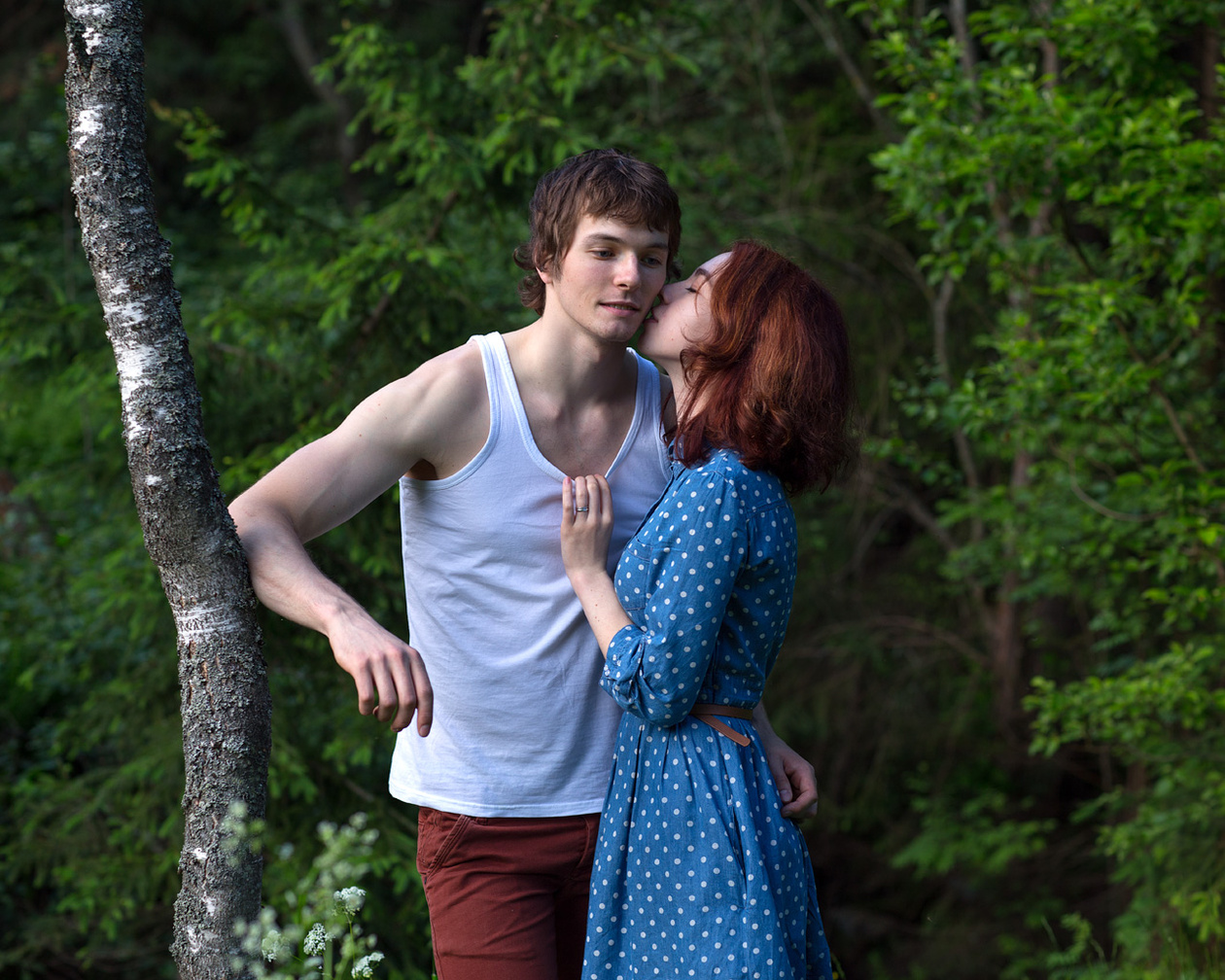
Which 85mm lens should you buy?
Buy an 85 mm with autofocus. The market is full of manual-focus 85 mm lenses from third-party makers. Their image quality can be excellent and their prices tempting, but they are impractical in real shooting: focusing by hand is slow and hard, and fast-moving subjects are out of reach.

On the used market (Nikon F mount, as an example). Older DSLR-era 85 mm lenses still sell second-hand and still work, with these traits:
| Lens | Weight | Focus motor | Character |
|---|---|---|---|
| 85mm f/1.8D (made from 1994) | 380 g (13.4 oz) | None: autofocus only on bodies with a built-in focus motor | Sharp wide open, compact; chromatic aberration wide open, loud focusing |
| 85mm f/1.4D | 550 g (19.4 oz) | None, as above | Classic rendering and bokeh; mild chromatic aberration gone by F2; use the hood against flare |
| AF-S 85mm f/1.8G | 350 g (12.3 oz) | Ultrasonic, quiet and fast on all bodies | Excellent image quality from wide open at a moderate price |
| AF-S 85mm f/1.4G | 595 g (21.0 oz) | Ultrasonic | The professional choice: sharp, beautiful rendering, well-corrected chromatic aberration, less flare |
Editor's note: in 2026. Choose by aperture class first and brand second. As one current example, Nikon's current NIKKOR Z 85mm f/1.8 S for full-frame Z cameras weighs 470 g (16.6 oz), in line with the "about 500 g" class above. Our verdict by budget:
- First portrait lens on full frame: an 85 mm f/1.8 prime for your mount. It delivers most of the 85 mm look at a fraction of the f/1.4 price and weight.
- Professional portrait and wedding work: an 85 mm f/1.4 prime, for the extra blur and rendering.
- APS-C camera: a 50 mm f/1.8 prime, which frames like 75 mm.
- Tight budget: a used AF-S 85 mm f/1.8G from the table above. It focuses on every Nikon DSLR, and on Z cameras through the FTZ adapter, as our old lenses on the Nikon Z system guide explains. The D-type lenses have no focus motor, so on a Z body they focus by hand.
Our pick: we recommend an autofocus 85 mm f/1.8 as the first portrait lens on full frame, used mostly between f/2 and f/2.8. It gives the 85 mm framing, the soft background and the light weight; go to f/1.4 only when portraits pay for it.
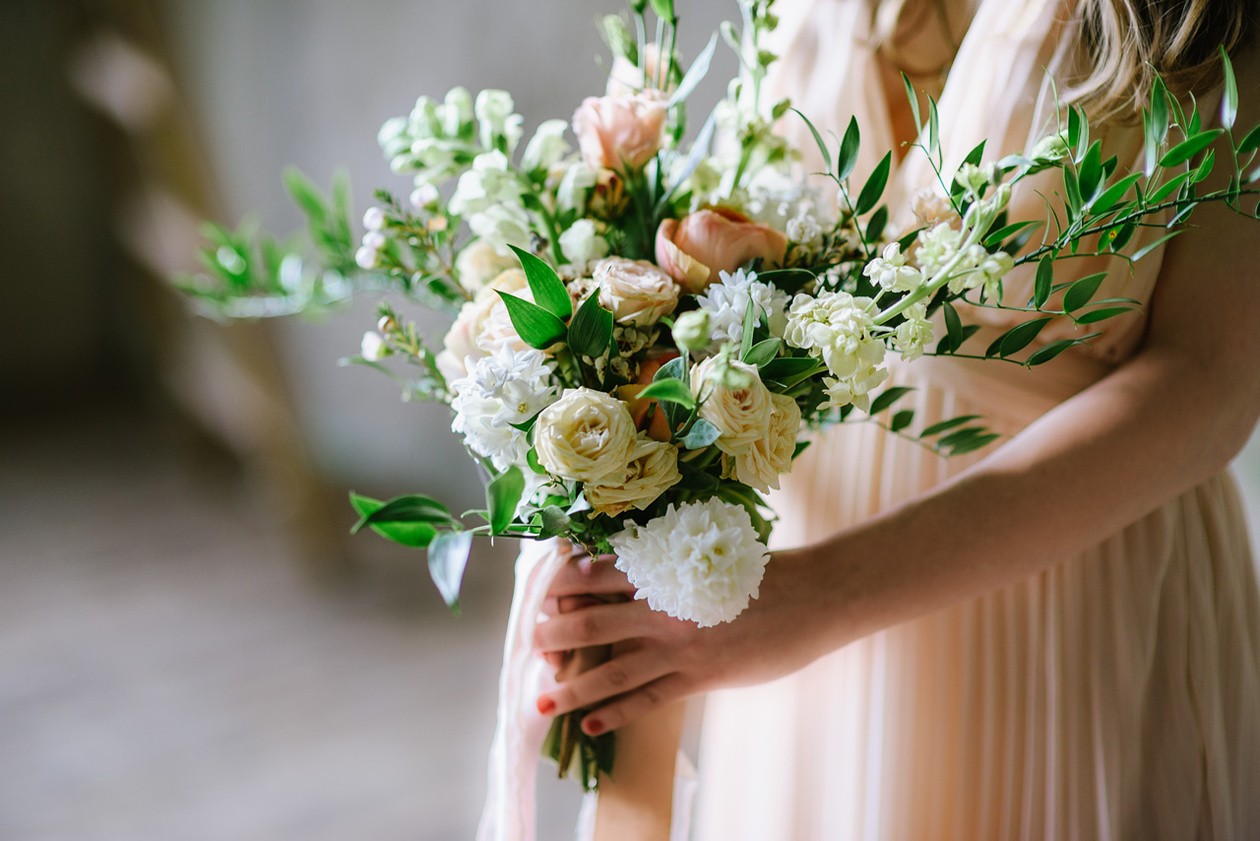
Photographers tend to try a range of focal lengths before one feels like their own. For portraits, 85 mm may well be it. See the types of camera lenses and the guide to prime lenses for where it fits in a lens kit.
Frequently asked questions
- Why is an 85mm lens good for portraits?
- It puts you at the distance where framing and perspective flatter a face. On full frame, a head-and-shoulders portrait at 85 mm keeps you about 1.5 to 2 m (5 to 6.5 ft) away, far enough that the nose and chin are not enlarged, close enough to talk to the model. Fast 85 mm primes are also sharp and blur the background softly.
- What is the best aperture for portraits with an 85mm lens?
- Start one or two steps down from wide open, around f/2 to f/2.8. At f/1.4 or f/1.8 and close range, depth of field is so thin that an eye can fall out of focus. In one example a face stayed fully sharp at f/2.5 with the background still blurred. Shoot wide open when the subject is farther away or you want maximum blur.
- Is 85mm good on an APS-C camera?
- For close portraits and outdoor work, yes; as an all-round portrait lens, less so. On APS-C an 85 mm lens frames like a 127.5 mm lens on full frame, a true telephoto, so you must stand much farther back and indoor shooting becomes hard. For the classic 85 mm view on APS-C, use a 50 mm lens, which frames like 75 mm.
- 85mm vs 50mm, which is better for portraits?
- For head-and-shoulders portraits, 85 mm: it gives a tighter frame from a comfortable distance, softer background blur and flatter perspective. For full-length shots, groups and indoor work, 50 mm, because you can stand closer. Wedding and family photographers frequently carry both: the 50 mm for wider shots and the 85 mm for close-ups.
- What is the minimum focus distance of an 85mm lens?
- Fast 85 mm portrait lenses typically focus no closer than about 0.9 m (3 ft). That is fine for faces but rules out true close-ups of small objects without accessories such as extension tubes. A macro version of the focal length focuses much closer, so check the specification if you also want to photograph details.
- What shutter speed should I use with an 85mm lens?
- Hand-held, aim for 1/160 s or faster; 1/200 s is safer. The longer the focal length, the more any camera shake shows in the frame. The common rule of one over twice the focal length gives 1/170 s at 85 mm on full frame. Image stabilization buys a little more time for still subjects, but not for a moving model.
Sources
- Portrait photography (lenses and focal length), Wikipedia (2026)
- Telephoto lens, Wikipedia (2026)
- Angle of view (photography), Wikipedia (2026)
- NIKKOR Z 85mm f/1.8 S, Nikon Corporation (2026)
Originally published on Prophotos.ru.